Wonderfull Ganjuro: Ganjuro's Marvel, Tokyo's Kabuki Revival
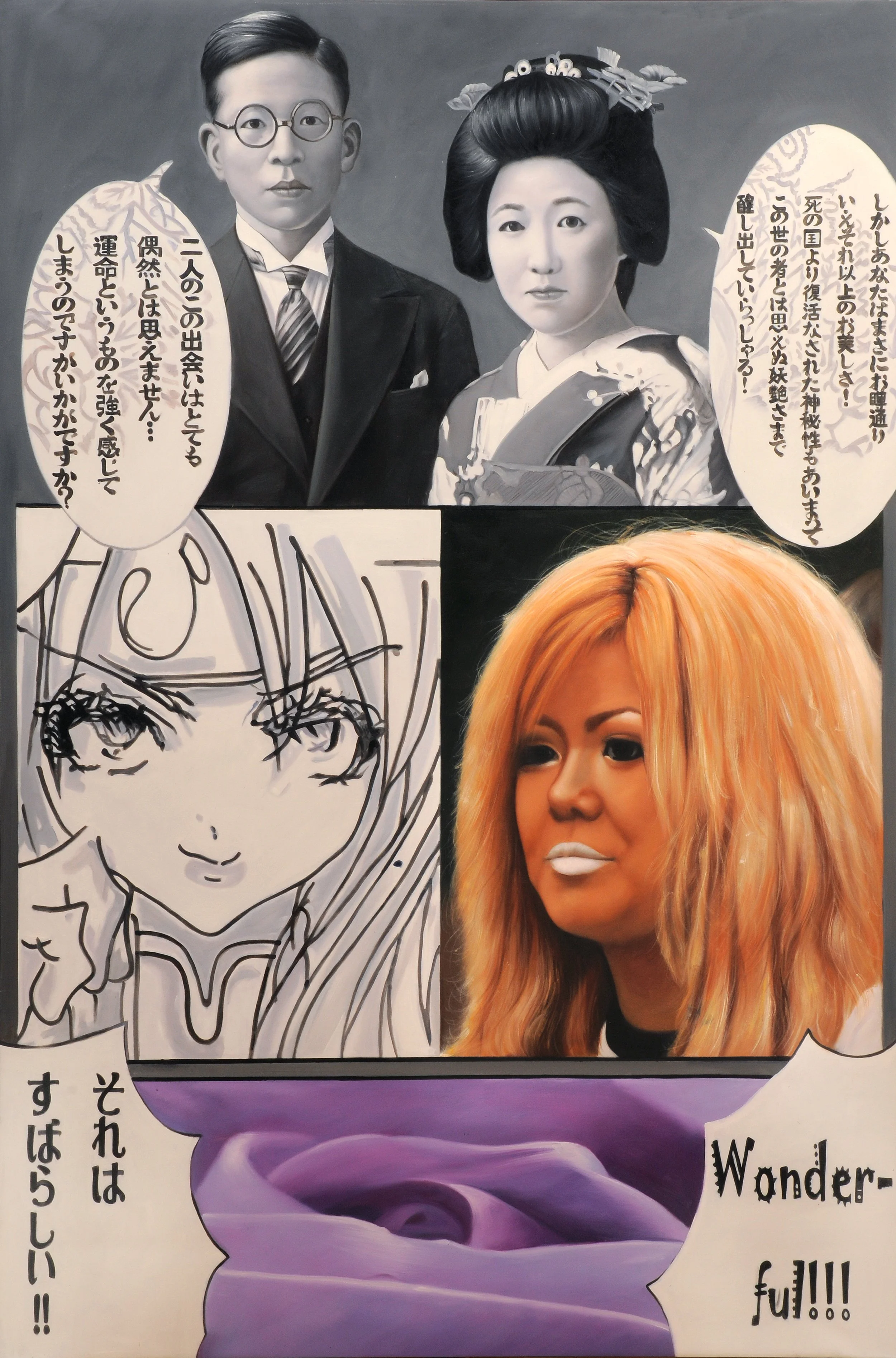
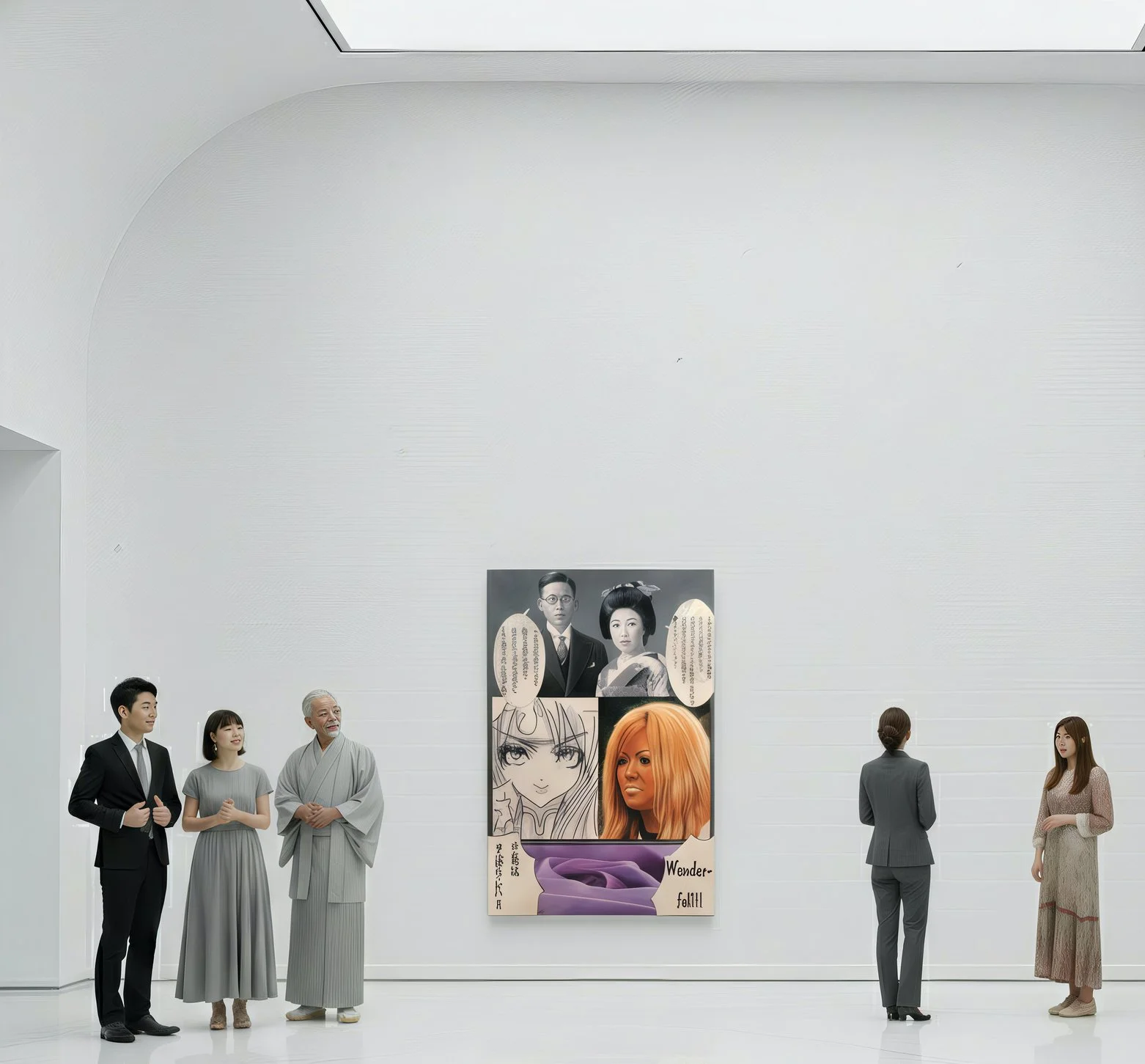
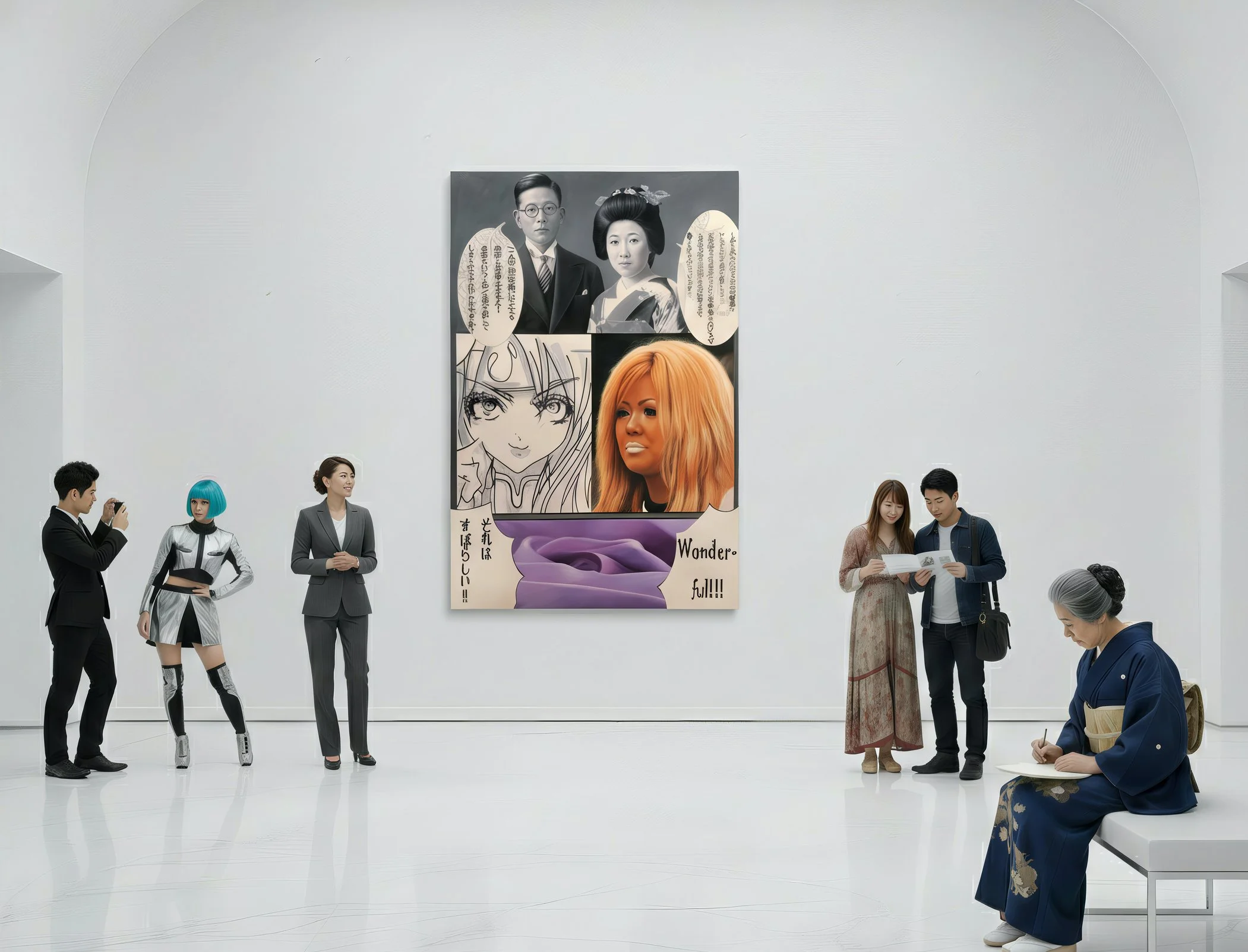
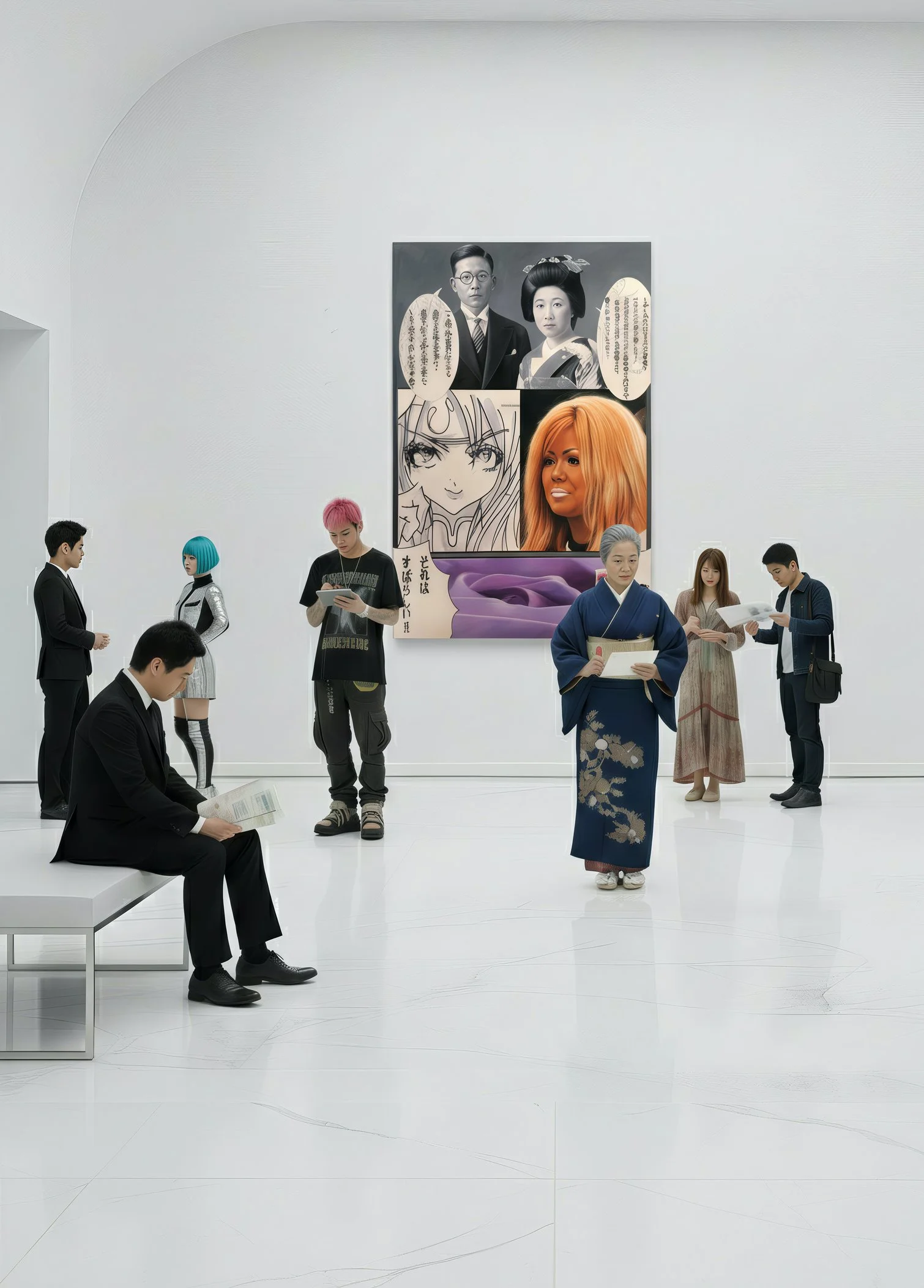
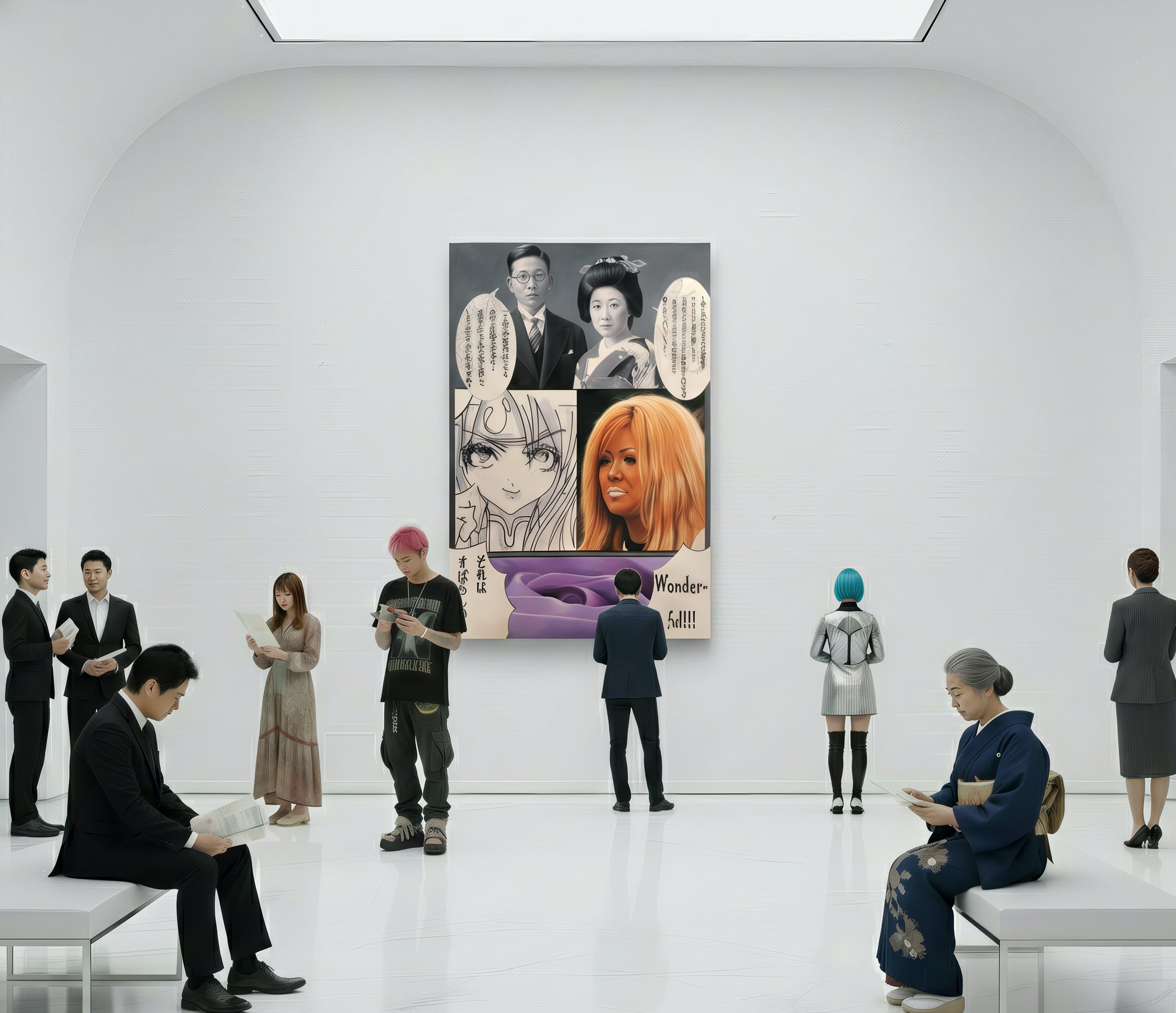
Wonderfull Ganjuro: Ganjuro's Marvel, Tokyo's Kabuki Revival highlights Jimmy Yoshimura’s ability to reinterpret Japan’s theatrical heritage through the visual language of contemporary Neo-Pop. Created within The Modern Ukiyo-e: Tokyo Tales in Manga Color, the painting establishes a rich dialogue between Kabuki tradition, historical memory, manga-inspired imagery, and modern urban identity, transforming cultural heritage into a dynamic contemporary narrative.
The composition unfolds through the coexistence of multiple visual worlds. Historical monochromatic portraits evoke ancestral memory, family lineage, and the continuity of Japanese cultural traditions. Rendered with restraint and elegance, these figures function as silent witnesses to the transformations occurring around them, grounding the painting within a broader historical context.
Contrasting these historical presences is a contemporary female protagonist whose appearance reflects the vitality of modern Tokyo. Her posture, expression, and visual prominence embody self-confidence, independence, and the evolving role of femininity within contemporary Japanese society. Positioned between memory and reinvention, she becomes a symbol of cultural continuity shaped through adaptation rather than preservation.
The title references Ganjuro, one of the most celebrated names in Kabuki history, establishing an immediate connection to Japan’s theatrical tradition. Rather than illustrating a specific performance, Yoshimura captures the emotional and symbolic power associated with Kabuki: transformation, performance, identity, and dramatic storytelling. These themes are translated into a contemporary visual environment shaped by fashion, media culture, and urban experience.
Manga-inspired graphic elements introduce narrative energy throughout the composition. Stylized drawings, expressive interventions, and fragmented visual sequences contribute a sense of movement and immediacy. These contemporary references connect the work to the visual language of modern Japan while reinforcing the painting’s layered storytelling structure.
A monumental violet floral motif occupies a central symbolic role within the composition. Traditionally associated with transformation, renewal, introspection, and emotional depth, the flowers act as visual bridges between past and present. Their presence creates an atmosphere of poetic transition, suggesting that cultural identity remains fluid and continuously evolving across generations.
The painting is organized through a carefully structured montage of visual fragments. Historical portraits, contemporary figures, floral symbolism, and manga references coexist within interconnected pictorial zones. Each section contributes to a broader narrative while retaining its own emotional resonance, encouraging viewers to construct relationships between the various layers of imagery.
The contrast between grayscale historical passages and vibrant contemporary colors reinforces the central themes of the work. Historical imagery evokes continuity and reflection, while contemporary elements introduce immediacy, vitality, and personal agency. This chromatic dialogue mirrors the relationship between inherited tradition and modern self-expression that defines contemporary Japanese culture.
Within The Modern Ukiyo-e series, Yoshimura revisits the narrative ambitions of classical Ukiyo-e while adapting them to present-day realities. Tokyo becomes a symbolic landscape where historical memory, manga culture, fashion, and contemporary identity intersect. The city functions as a living environment in which multiple temporalities coexist and continuously reshape one another.
The work also explores contemporary femininity as a cultural construct informed by both tradition and innovation. The coexistence of historical and contemporary female figures suggests that identity is formed through dialogue across generations rather than through rupture. Personal freedom and cultural inheritance become complementary forces within a shared narrative.
Yoshimura’s training in design and visual communication is evident in the composition’s remarkable clarity. Despite its narrative complexity and symbolic richness, every element serves a precise visual function. Decorative appeal and conceptual sophistication remain carefully balanced throughout the painting.
As a leading member of Studio CrazyNoodles founded by Hiro Ando, Jimmy Yoshimura has developed a distinctive Neo-Pop language that merges historical Japanese aesthetics, manga storytelling, and contemporary visual culture. His works consistently transform cultural memory into accessible yet intellectually engaging visual experiences.
Through its theatrical atmosphere, layered symbolism, and refined cultural dialogue, Wonderfull Ganjuro: Ganjuro's Marvel, Tokyo's Kabuki Revival stands as a major example of Yoshimura’s artistic vision. Combining historical resonance with contemporary energy, the work offers collectors a significant Neo-Pop painting where Kabuki heritage, urban identity, and modern visual storytelling converge within a powerful and enduring composition.
Wonderfull Ganjuro: Ganjuro's Marvel, Tokyo's Kabuki Revival 2009
Materials Oil on stretched canvas
Size 76 4/5 × 51 1/5 × 1 1/5 in | 195 × 130 × 3 cm
Rarity Unique
Medium Painting
Condition Preserved in pristine StudioCrazynoodles condition
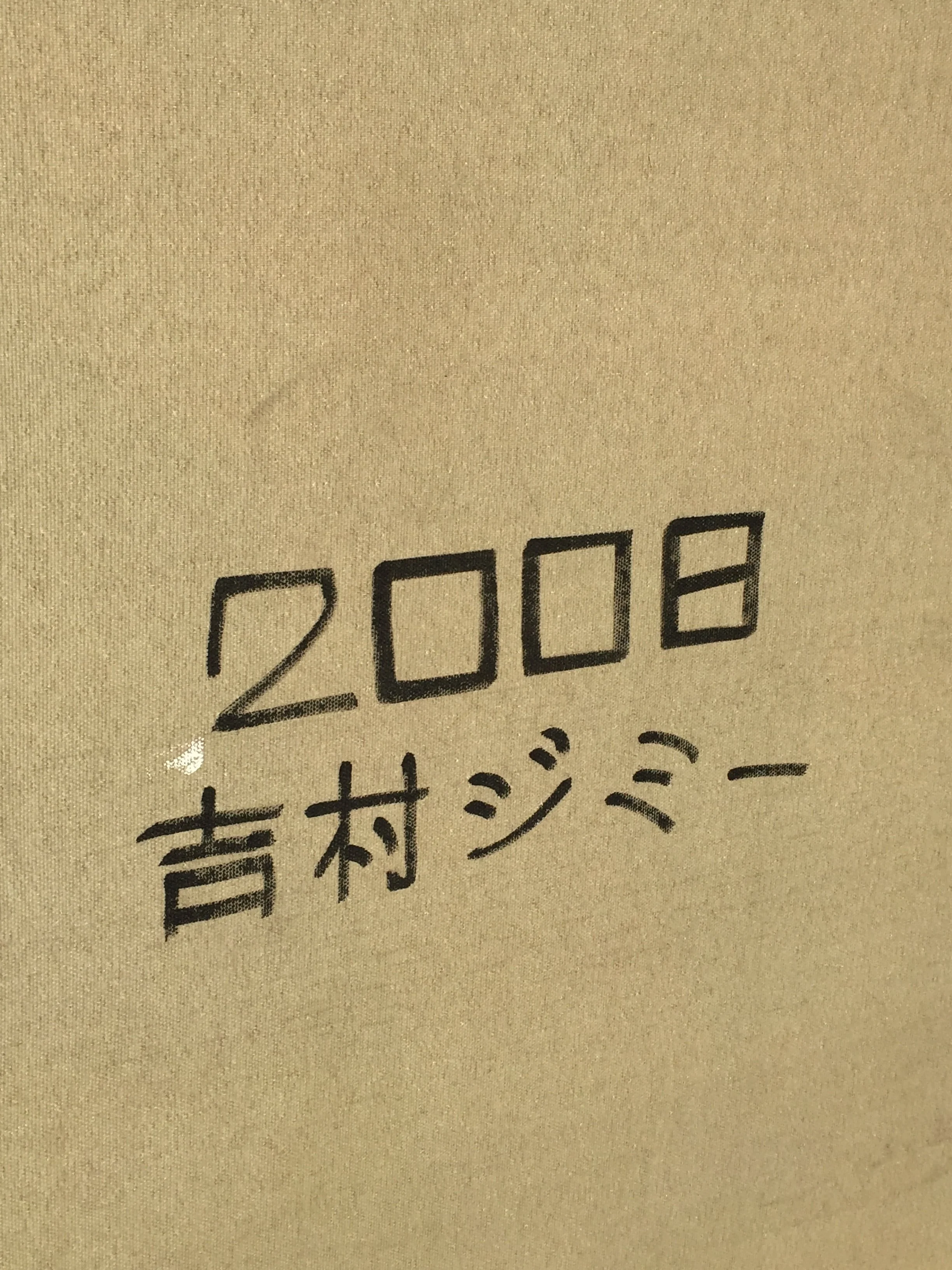
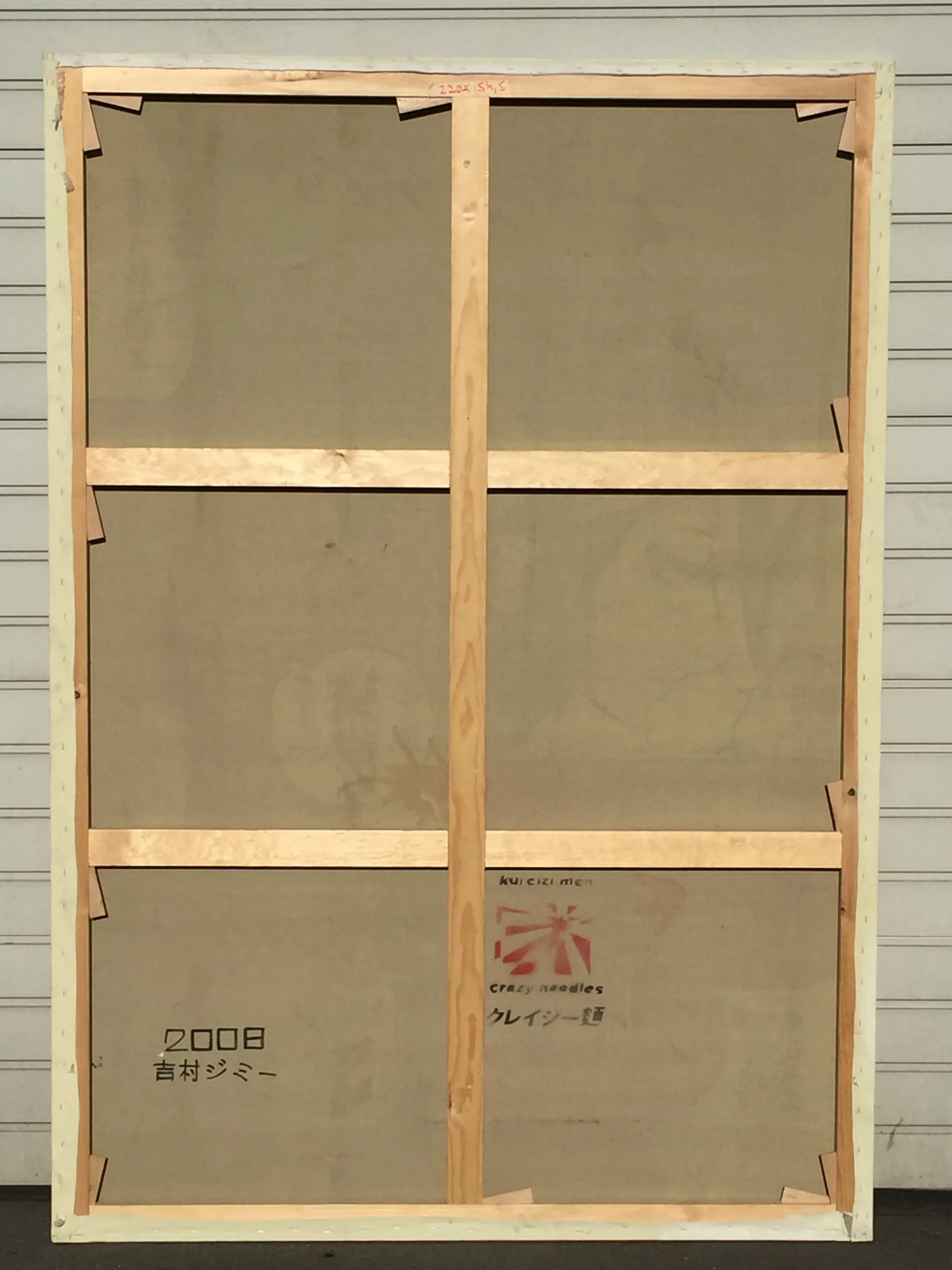
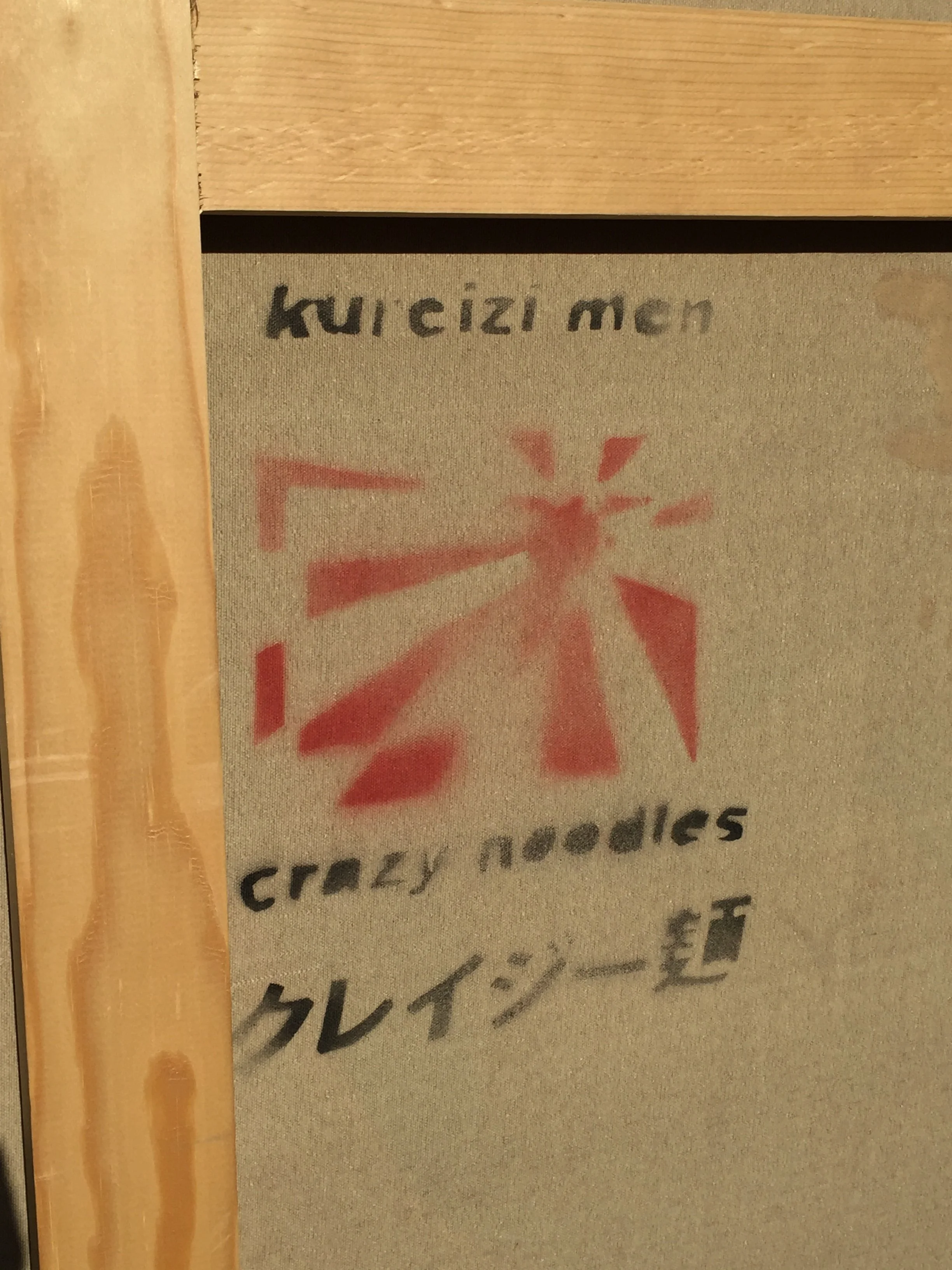
Signature Hand-signed by the artist - StudioCrazynoodles stencil emblem on the reverse - StudioCrazynoodles : Artistic label founded by Hiro Ando
Certificate of authenticity Included (issued by authorized authenticating body)
Frame Not included
Series The Modern Ukiyo-e : Tokyo Tales in Manga Color
Image rights All visual rights reserved by StudioCrazynoodles