Kawai2: Kawaii Konvergence, Tokyo's Dual Delights
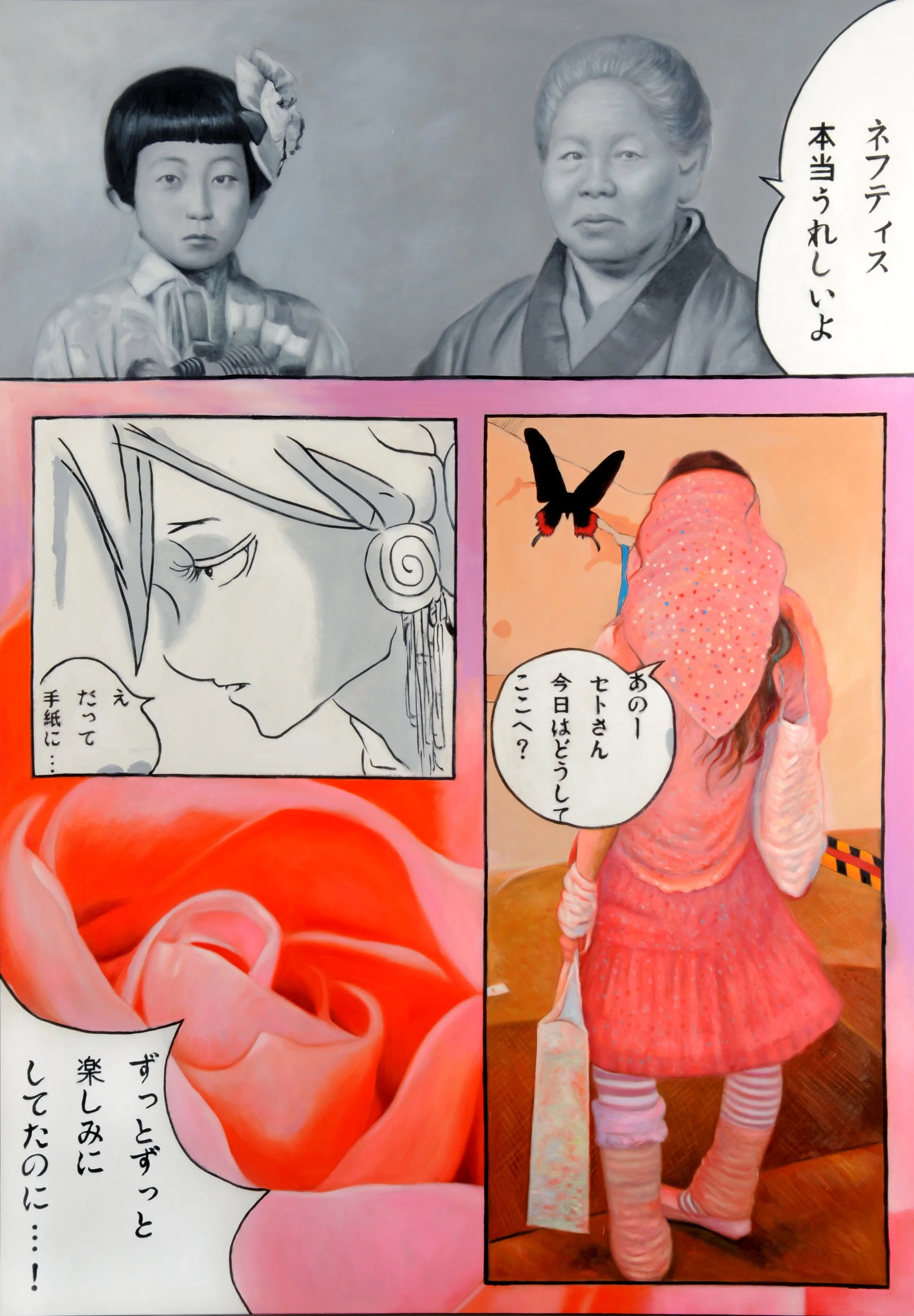
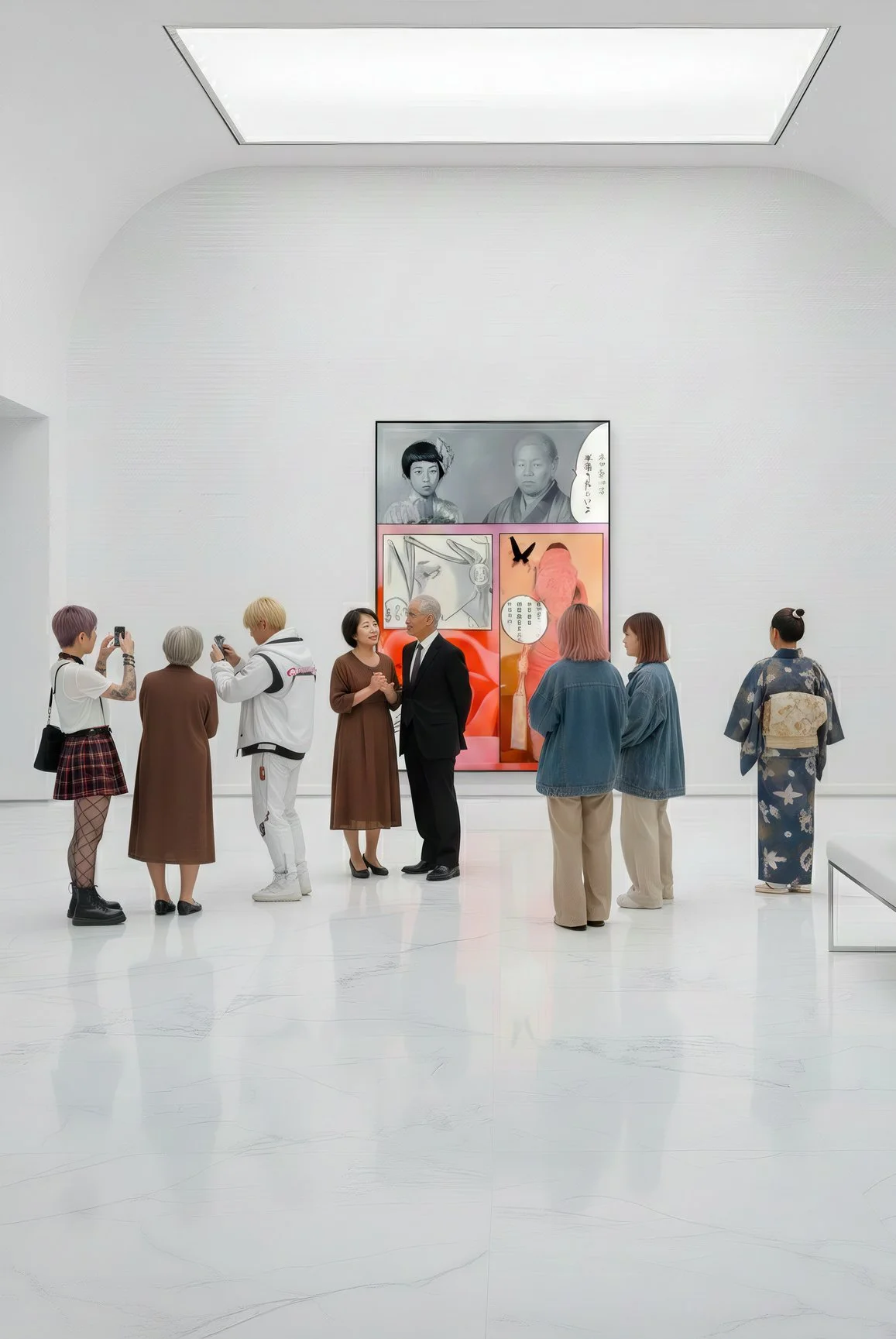
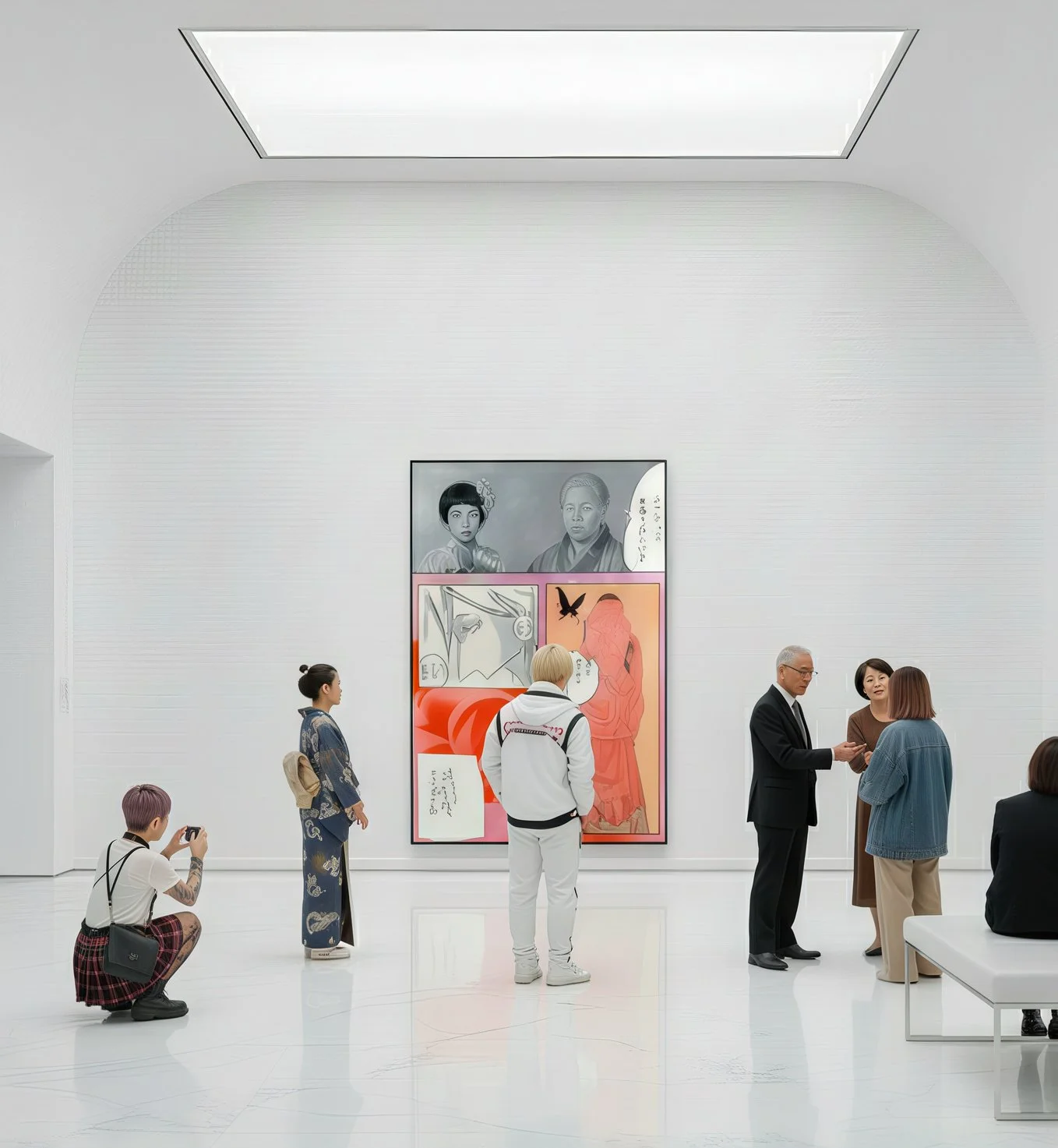
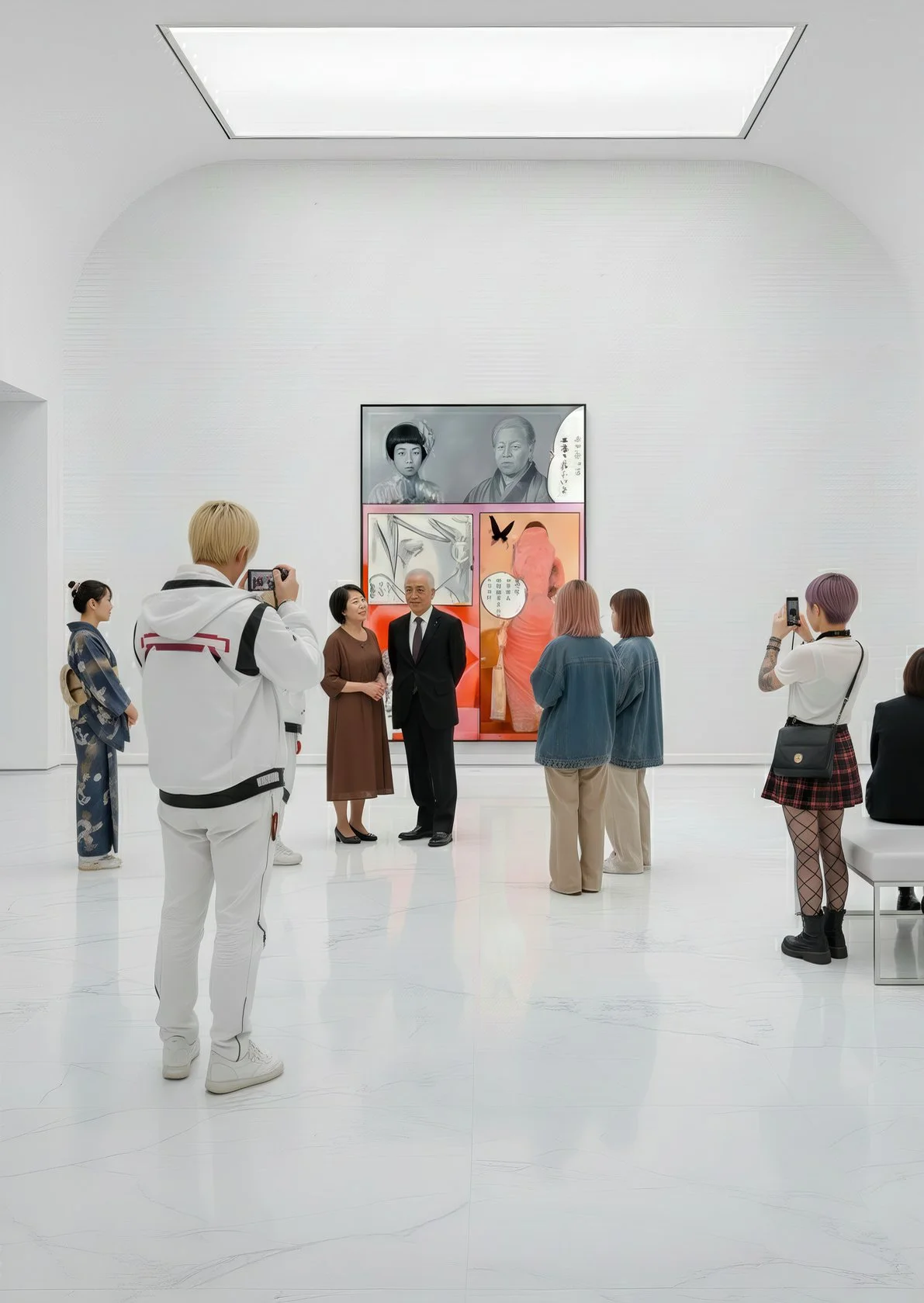
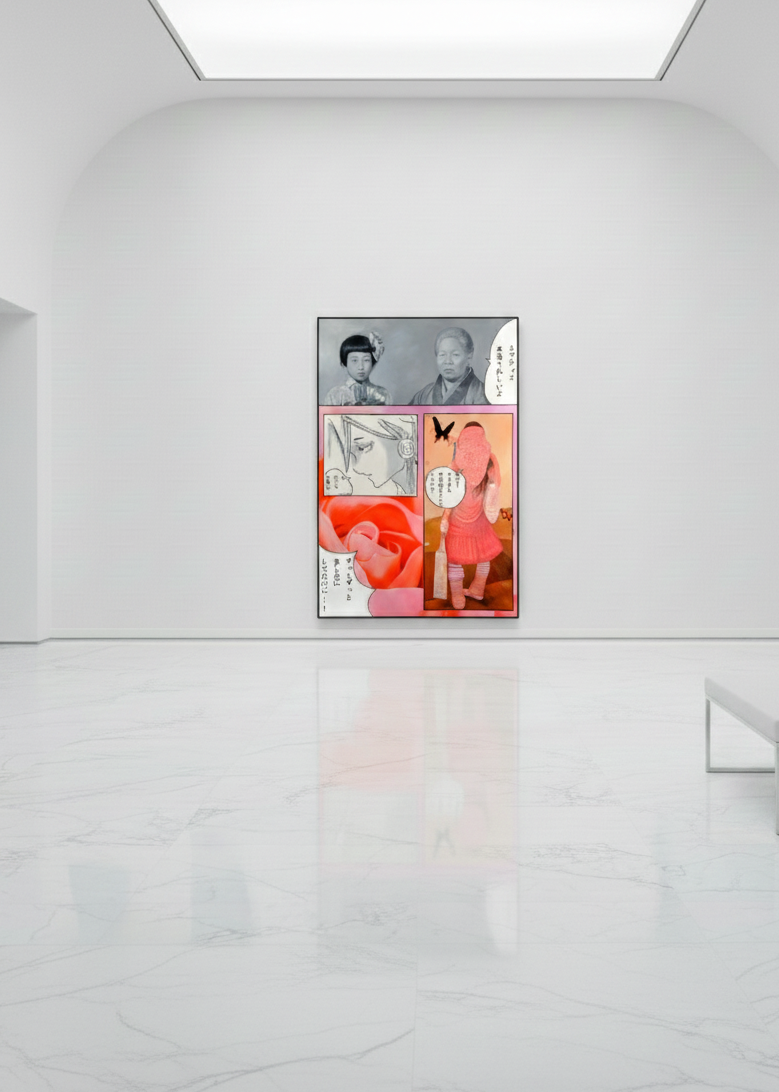
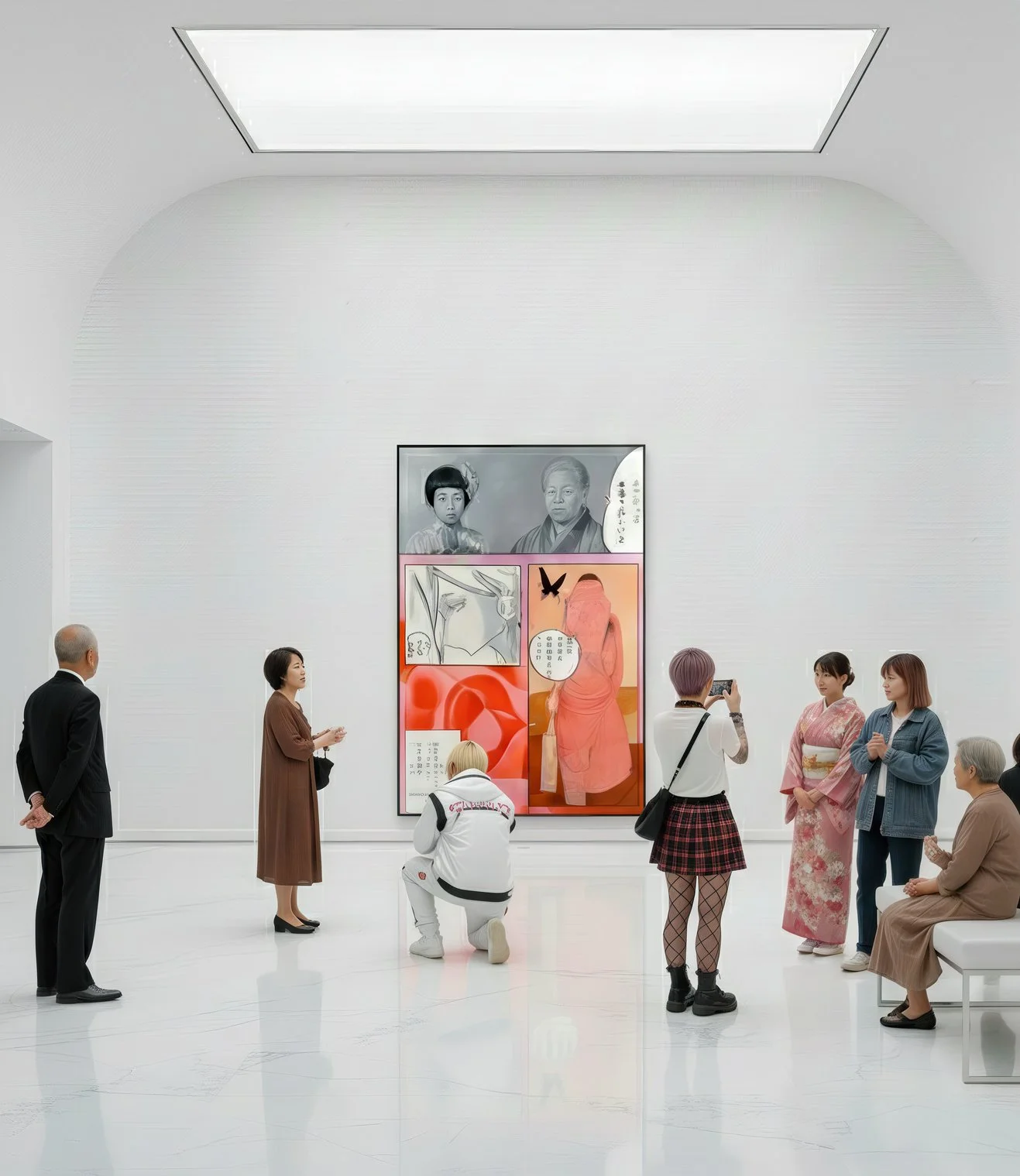
Kawai2: Kawaii Konvergence, Tokyo's Dual Delights demonstrates Jimmy Yoshimura’s ability to transform kawaii aesthetics into a sophisticated visual language exploring memory, identity, and cultural continuity. Created as part of The Modern Ukiyo-e: Tokyo Tales in Manga Color, the painting brings together contemporary manga-inspired imagery, historical portraiture, and symbolic narrative elements to examine the evolving relationship between tradition and modernity in contemporary Japan.
The composition is structured around a dialogue between generations. Historical monochromatic figures emerge as quiet witnesses from the past, embodying cultural memory, familial heritage, and collective identity. Their restrained appearance establishes a sense of continuity and permanence, connecting the work to the visual traditions of classical Japanese portraiture. Rather than functioning as nostalgic references, these figures become active participants in the painting’s narrative structure.
Opposite these historical presences stands a contemporary female protagonist whose appearance reflects the influence of kawaii culture, manga aesthetics, and modern urban identity. Her vibrant colors, youthful expression, and stylized features introduce emotional immediacy and visual vitality. Positioned within the composition as a figure moving toward the future, she symbolizes a generation redefining personal identity while remaining connected to inherited cultural foundations.
Yoshimura uses this contrast to create a continuous tension between memory and transformation. The coexistence of historical and contemporary imagery suggests that identity is not constructed through rupture but through dialogue. Past and present remain interconnected, shaping one another through an ongoing process of cultural adaptation and reinterpretation.
A warm floral motif flows throughout the composition, functioning as an emotional atmosphere rather than simple decoration. The flowers introduce associations with beauty, fragility, renewal, and the passage of time. Their presence softens the transition between historical and contemporary elements, creating visual continuity across the painting while reinforcing themes of emotional growth and cultural evolution.
Manga-inspired graphic elements provide an additional narrative layer. Rather than illustrating a specific story, these interventions create fragments of psychological dialogue that encourage viewers to imagine relationships between the figures and visual symbols. Speech bubbles, graphic accents, and stylized details transform the work into an open narrative structure where multiple interpretations remain possible.
The painting’s fragmented composition reflects Yoshimura’s distinctive visual methodology. Different pictorial zones operate like interconnected chapters within a larger narrative. Historical portraits, contemporary figures, floral motifs, and manga references coexist within carefully balanced geometric structures that guide the viewer through multiple temporal and emotional dimensions simultaneously.
Color plays a central role in establishing the work’s atmosphere. While monochromatic passages evoke memory and introspection, saturated contemporary elements introduce warmth, vitality, and optimism. This chromatic dialogue reinforces the painting’s exploration of cultural continuity, demonstrating how historical influences remain alive within contemporary visual culture.
Within The Modern Ukiyo-e series, Yoshimura reinterprets one of the defining concerns of classical Ukiyo-e: the representation of urban life and social identity. Instead of depicting Edo-period society, however, he focuses on contemporary Tokyo, where manga culture, digital imagery, fashion, and global influences continuously reshape concepts of selfhood and belonging.
The work portrays kawaii aesthetics not simply as decorative visual culture but as a sophisticated cultural language capable of expressing emotional complexity. Beneath the surface charm and accessibility associated with kawaii imagery, Yoshimura reveals deeper reflections on memory, personal identity, generational transmission, and cultural transformation.
As a prominent member of Studio CrazyNoodles founded by Hiro Ando, Jimmy Yoshimura has established a distinctive position within Japanese Neo-Pop through his ability to merge historical references, manga visual language, and contemporary cultural narratives. His works consistently balance visual accessibility with conceptual depth, appealing to collectors interested in both aesthetic impact and cultural significance.
Through its layered symbolism, refined composition, and nuanced treatment of kawaii culture, Kawai2: Kawaii Konvergence, Tokyo's Dual Delights stands as a compelling example of Yoshimura’s artistic vision. Combining emotional resonance, cultural reflection, and strong visual presence, the work offers collectors a significant Neo-Pop painting where memory, identity, and contemporary Japanese culture converge within a richly engaging visual narrative.
Kawai2: Kawaii Konvergence, Tokyo’s Dual Delights 2009
Materials. Oil on stretched canvas
Size 86 3/5 × 63 × 1 1/5 in | 220 × 160 × 3 cm
Rarity Unique
Medium Painting
Condition Preserved in pristine StudioCrazynoodles condition
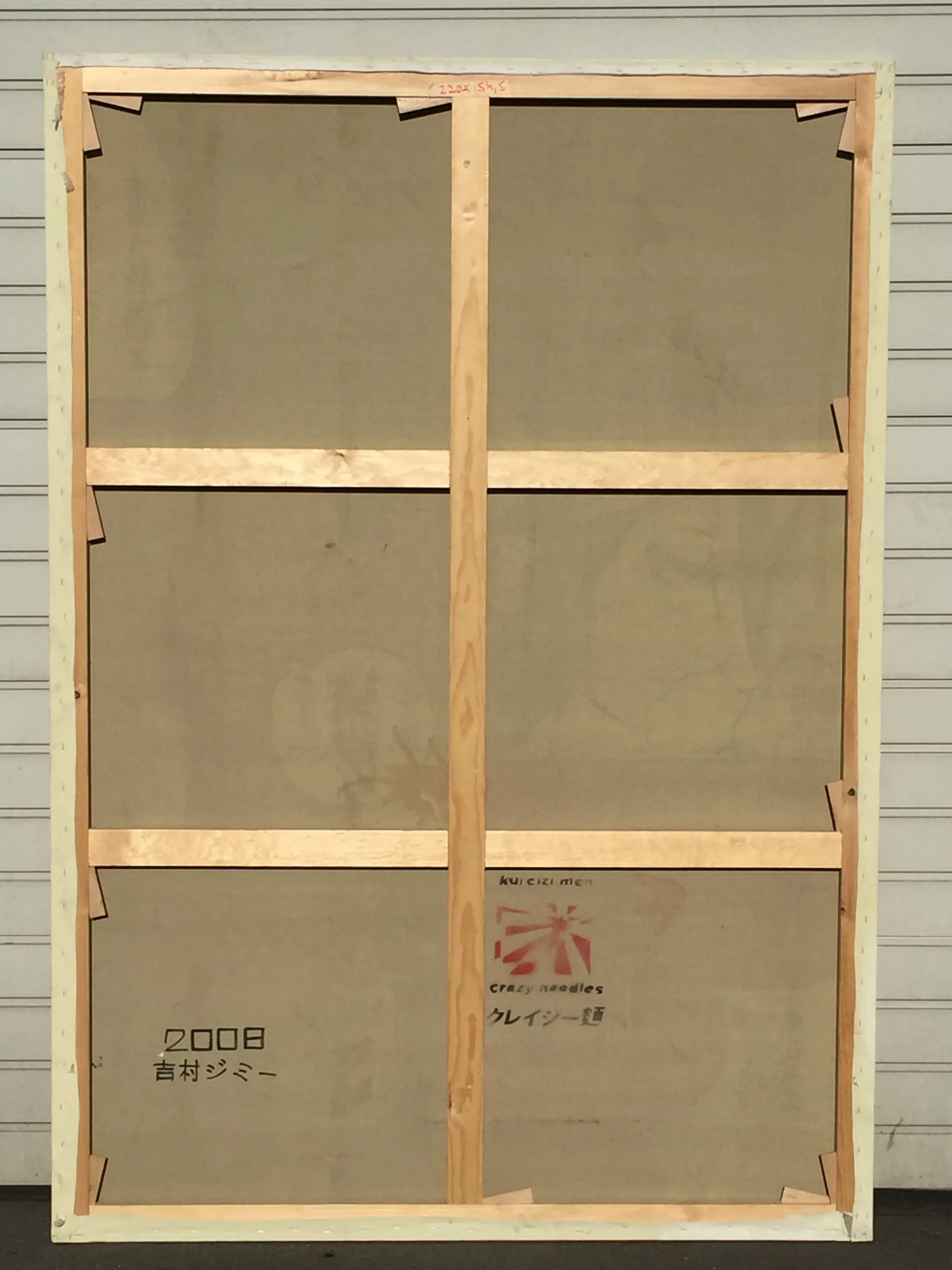
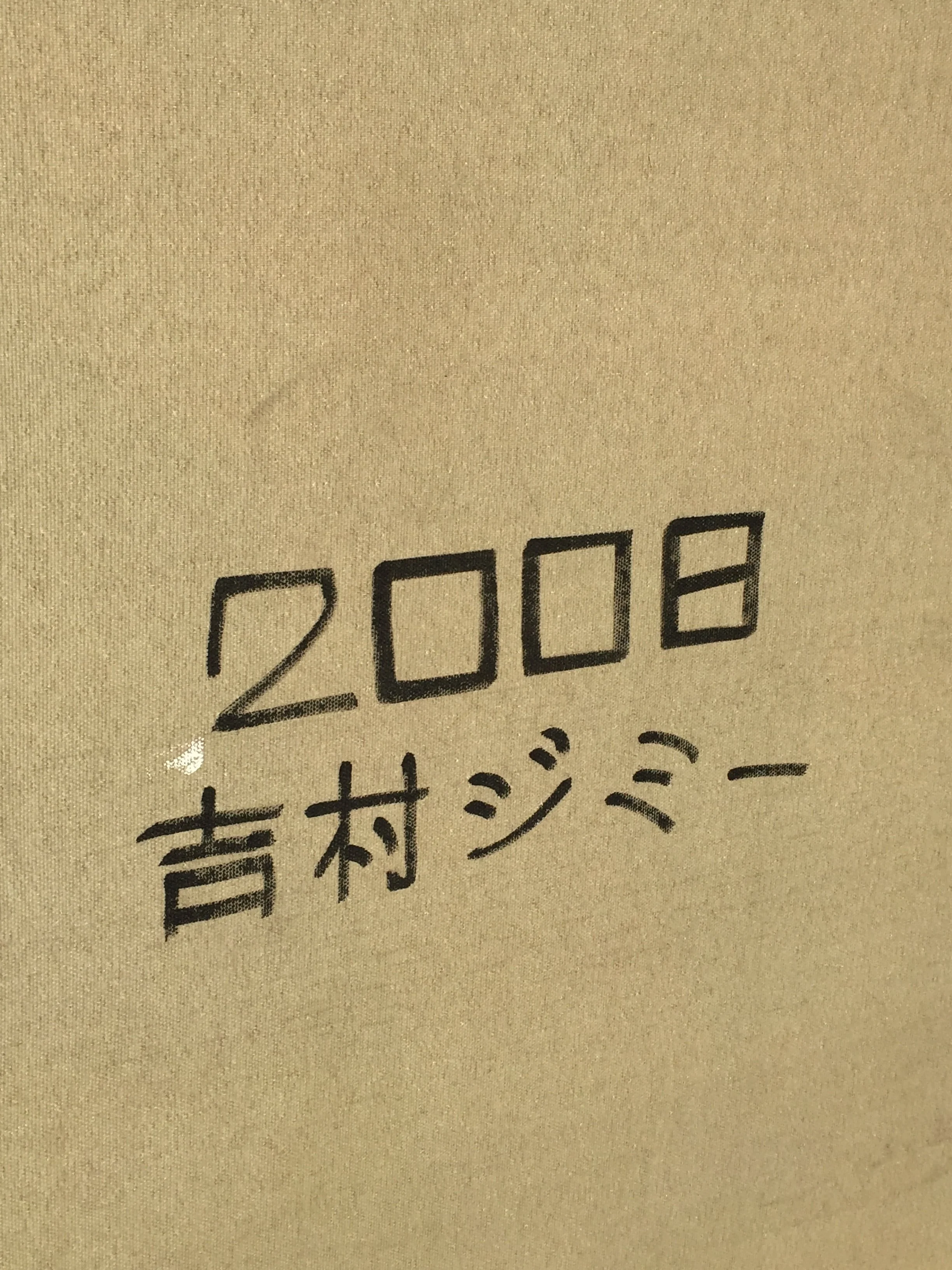
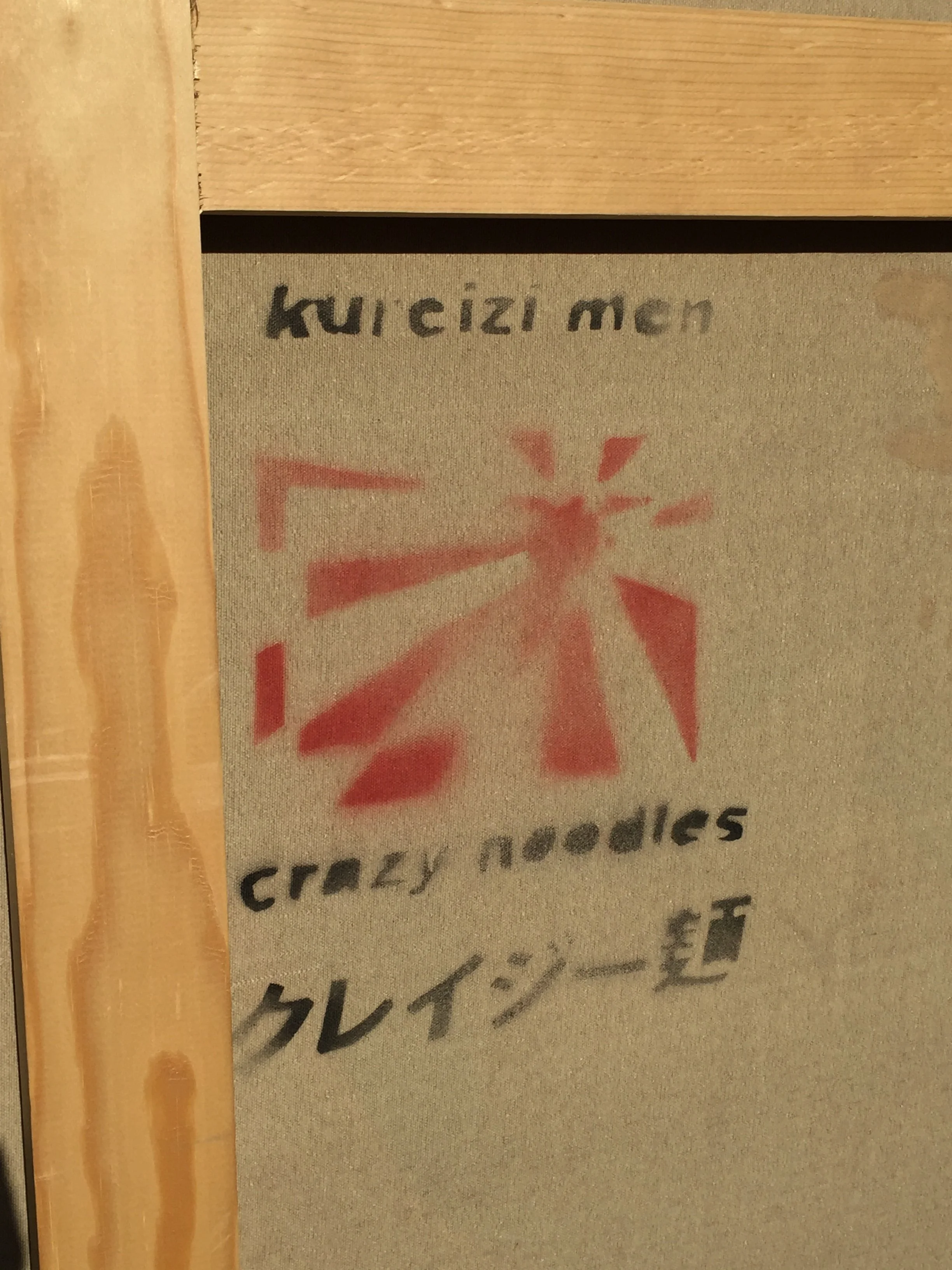
Signature Hand-signed by the artist - StudioCrazynoodles stencil emblem on the reverse - StudioCrazynoodles : Artistic label founded by Hiro Ando
Certificate of authenticity Included (issued by authorized authenticating body)
Frame Not included
Series The Modern Ukiyo-e : Tokyo Tales in Manga Color
Image rights All visual rights reserved by StudioCrazynoodles