ryoko watanabe
Ryoko Watanabe drops geishas, samurai, and sumo into monochrome cityscapes—a Neo-Pop of sharp contrasts where heritage becomes an urban brand language, suspended between memory and speed.
Ryoko Watanabe is a contemporary Japanese Neo-Pop artist and an important member of StudioCrazynoodles, the Tokyo-based artistic label founded by Hiro Ando. Born in Sapporo, she has developed a distinctive practice dedicated to reactivating Japan’s cultural heritage within the framework of modern urban life.
Her work centers on iconic figures such as geishas, samurai, and sumotori, whom she deliberately stages in contemporary environments—metro stations, traffic intersections, buses, and concrete cityscapes. By placing these timeless symbols within everyday settings, Watanabe creates a powerful visual dialogue between past and present, tradition and hypermodernity.
A defining feature of her paintings is the stark contrast between monochrome urban backgrounds and vividly colored central figures. The desaturated cityscape functions as a neutral, almost documentary backdrop, while the radiant protagonists command attention, asserting the enduring relevance of Japanese cultural identity. This chromatic strategy reinforces the tension between memory and immediacy, preservation and transformation.
Beyond canvas, Watanabe has expanded her vision into sculptural wall works, where traditionally dressed geishas appear to emerge from the surface itself. These layered constructions blur the boundary between image and object, further emphasizing the physical presence of cultural memory within contemporary space.
Her approach is neither nostalgic nor purely celebratory; it is an act of cultural recontextualization. By reinserting sumotori, samurai, and geishas into modern life, she resists their reduction to static folklore and instead affirms their continued symbolic power.
Within StudioCrazynoodles, Watanabe contributes a voice rooted in heritage yet articulated through Neo-Pop clarity. For collectors, she offers a visually striking and culturally resonant body of work that bridges Japan’s historical legacy with the rhythm of contemporary urban existence.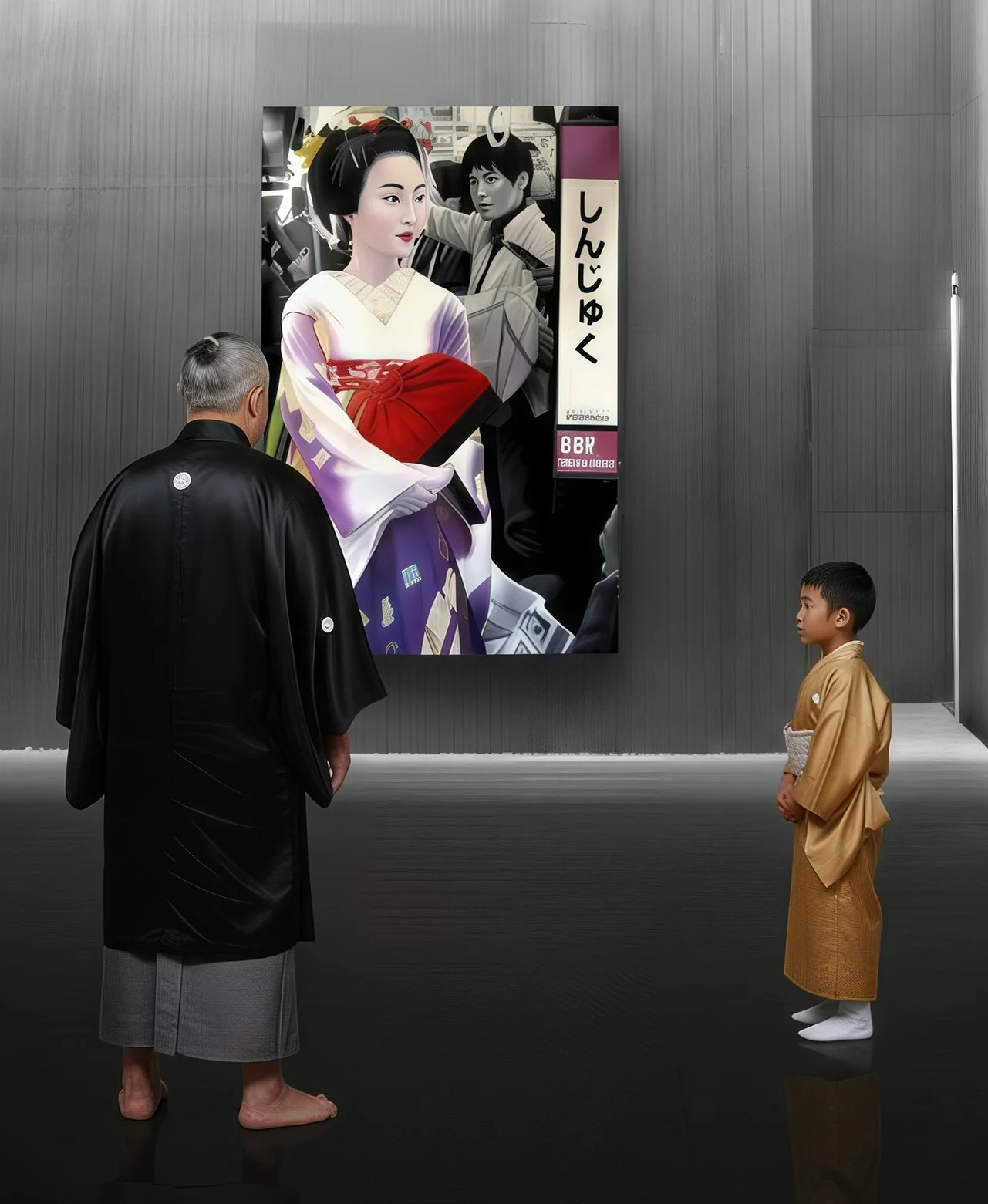
Parallel Souls on a Night Line

Red Tokyo : Crimson Elegance
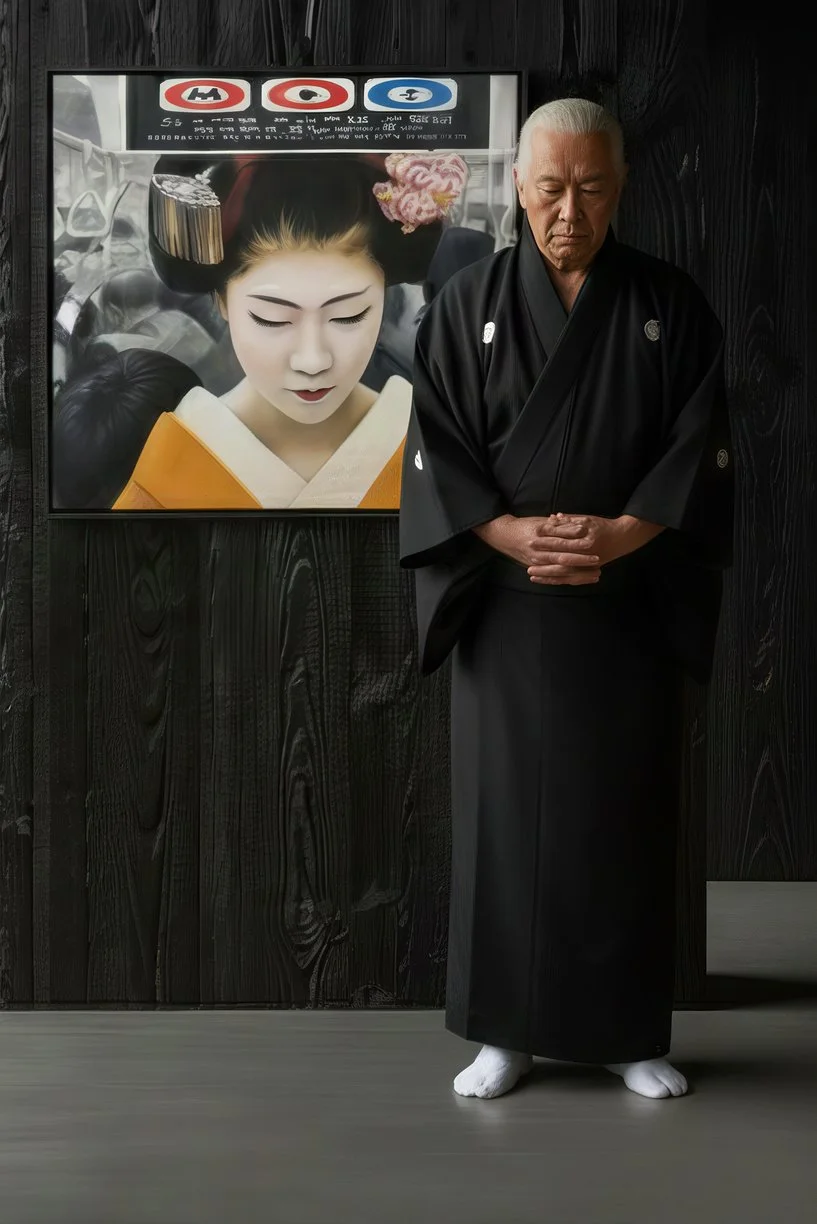
Don't Look at Me : Unseen Elegance
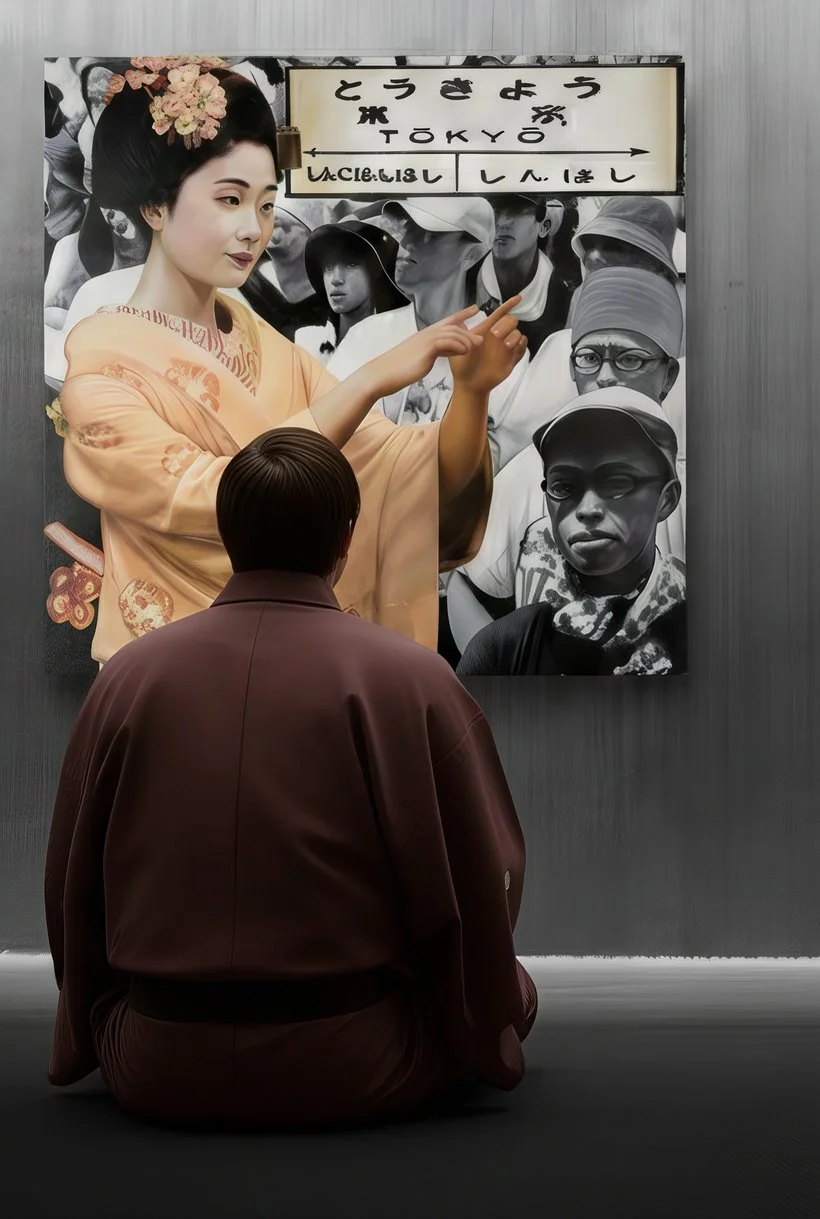
Lets Sing Together : Enchanting Chorus
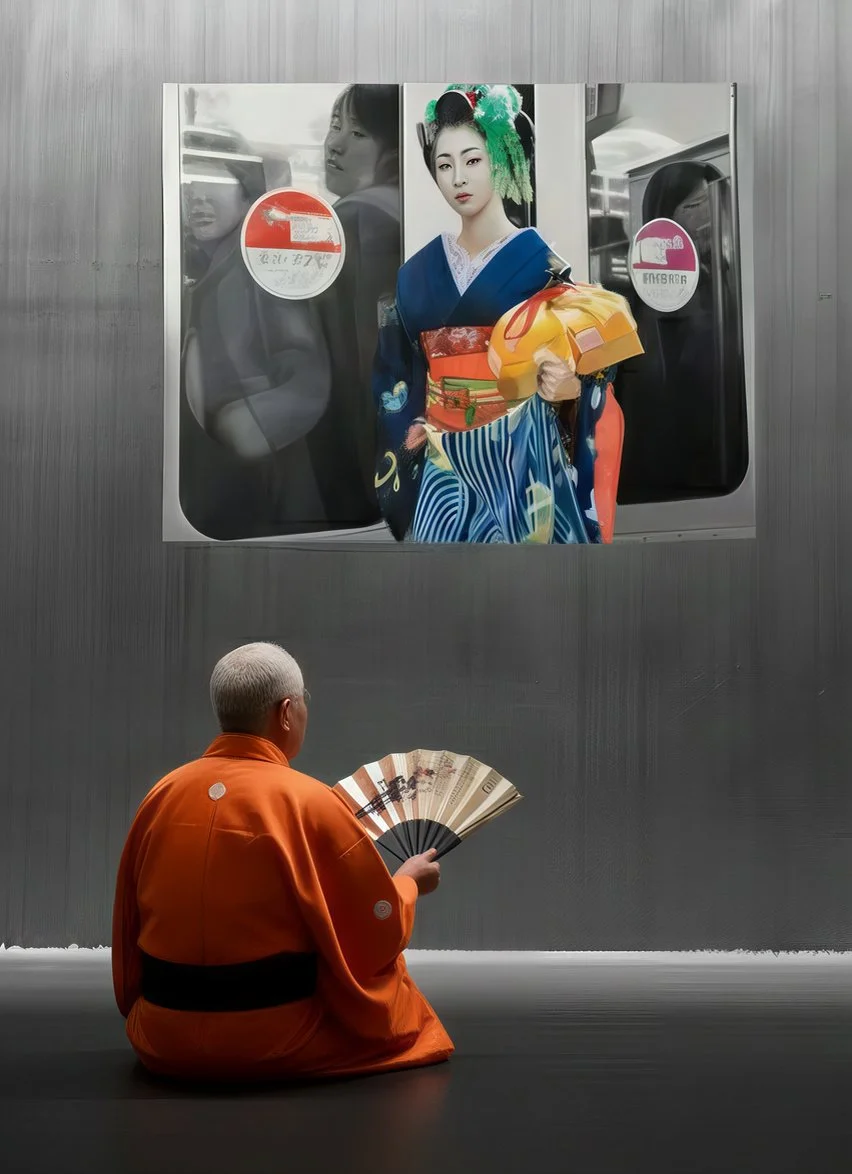
Departing Train : Journey's Veil
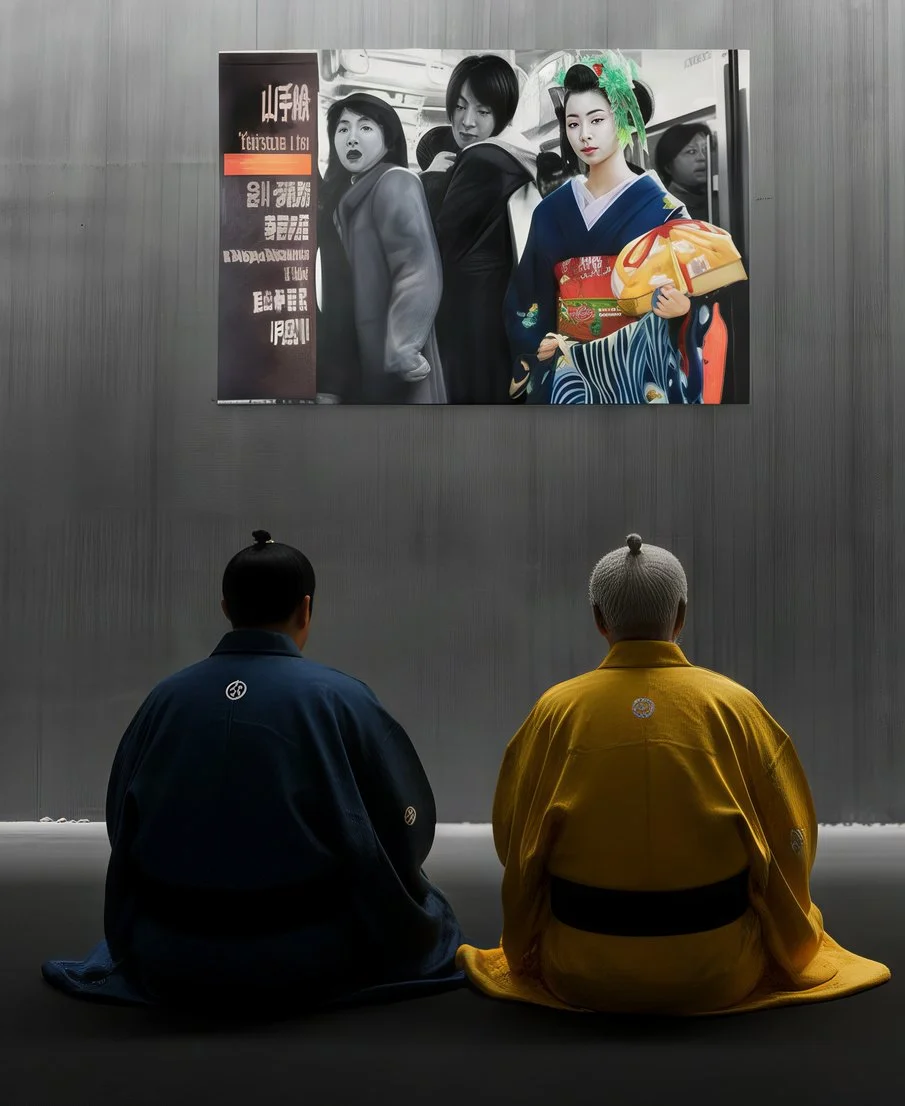
Train Is Leaving Again : Transient Farewells
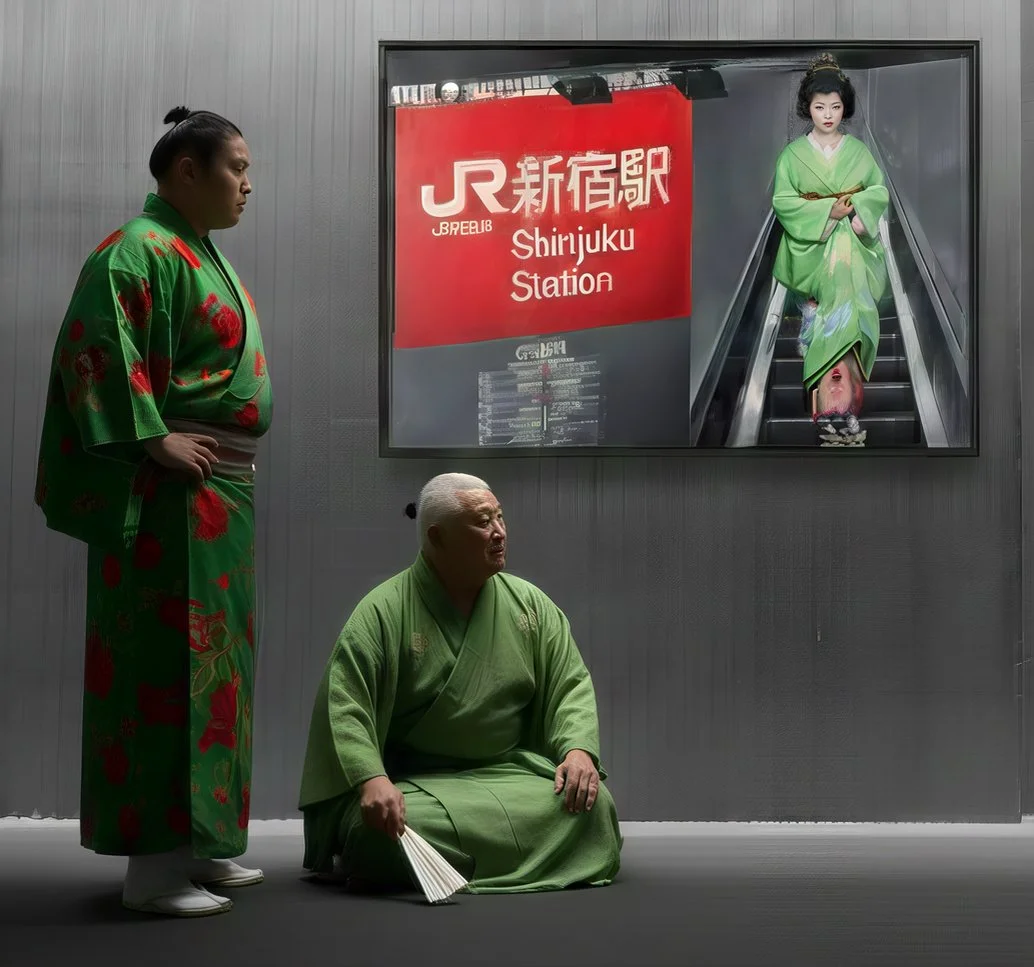
JR : Silent Commute
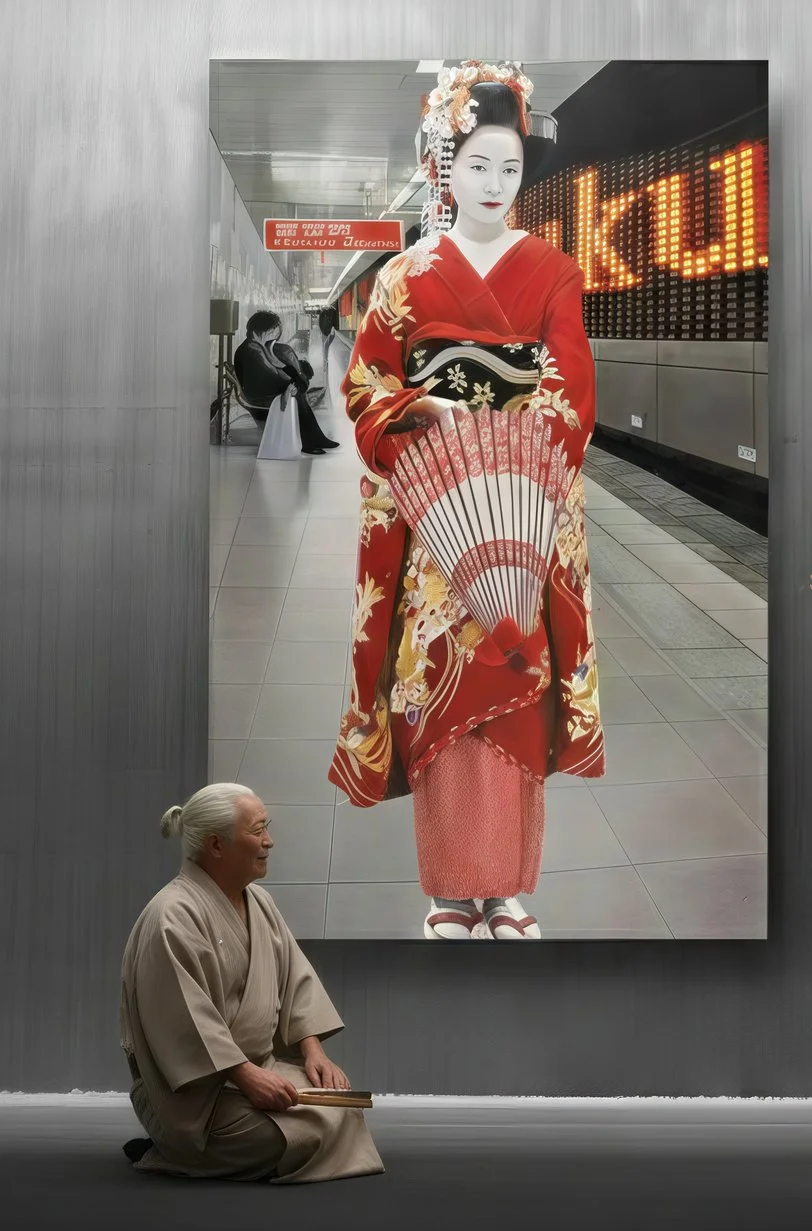
To Shinjuku : Urban Sojourn
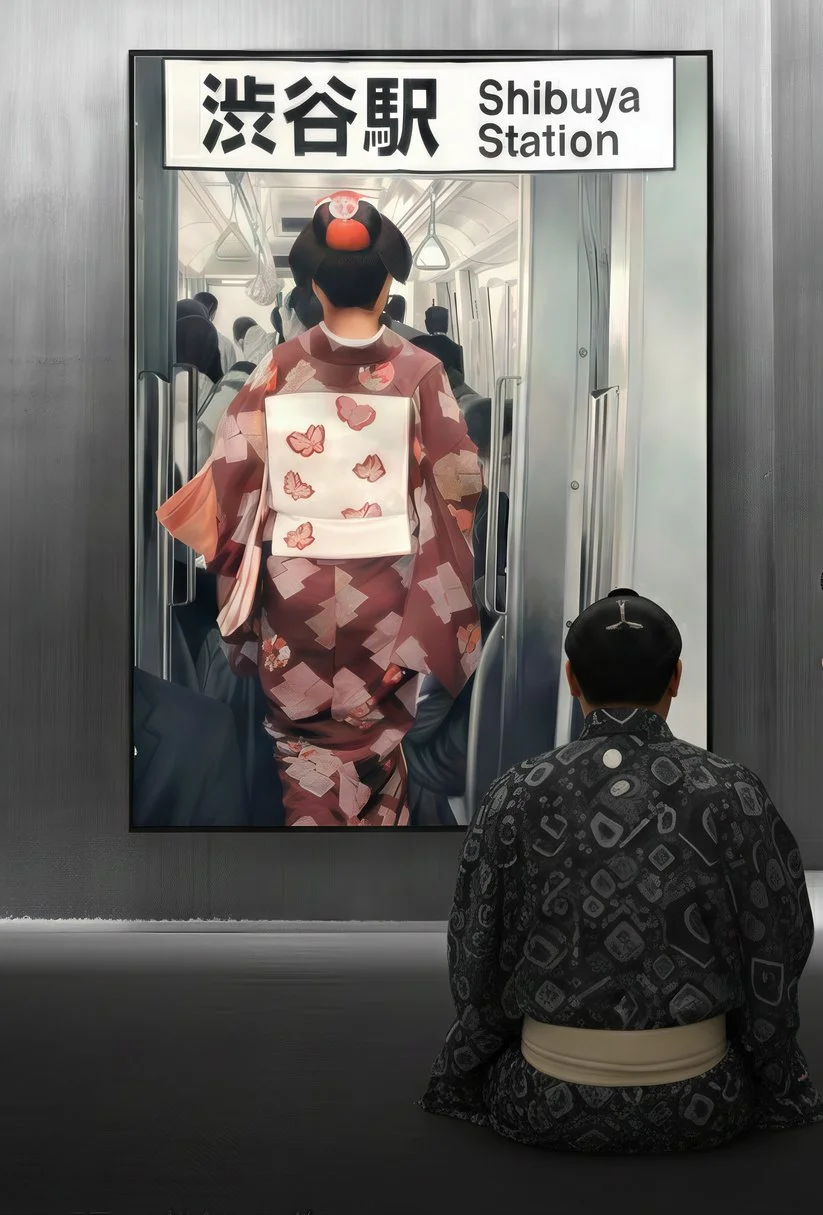
Butterfly : Whispers of Transformation
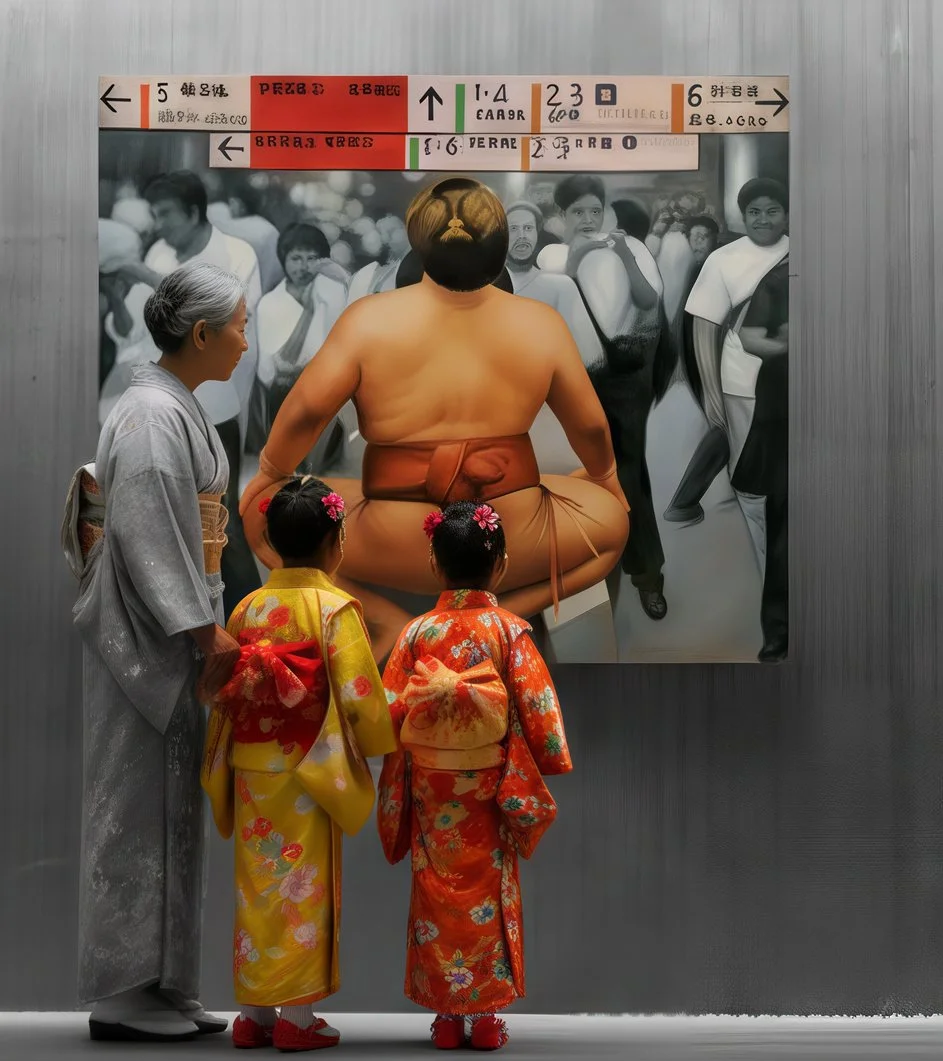
Paparazzi : Limelight Shadows
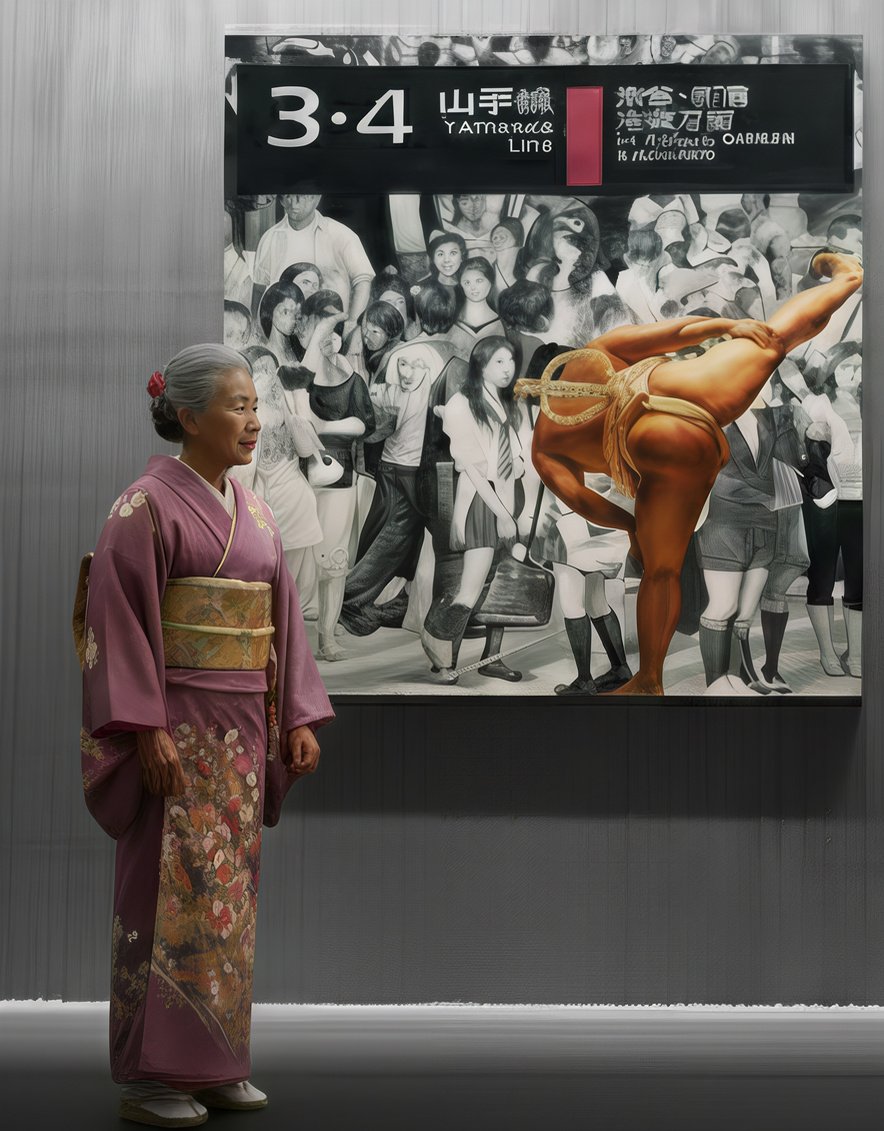
Equilibrium : Bridges of Serenity
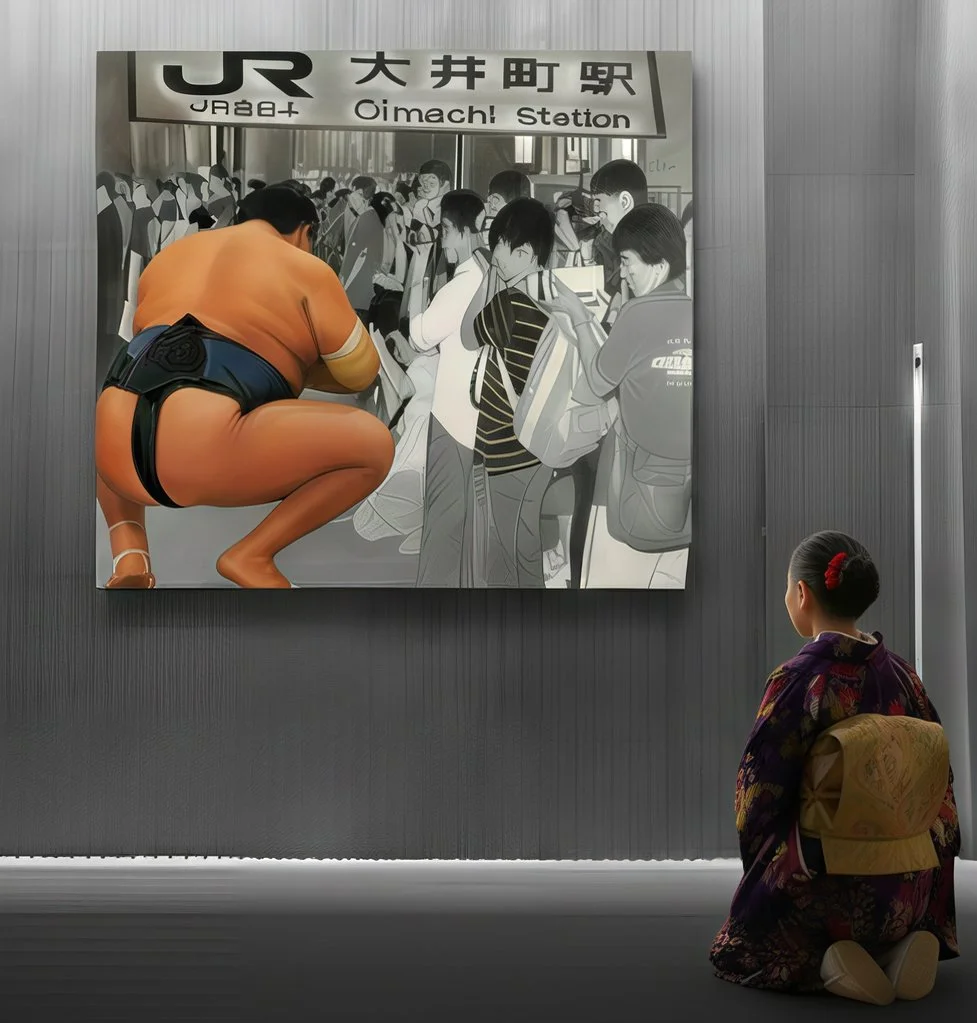
Paparazzi2 : Whispers in the Shadows
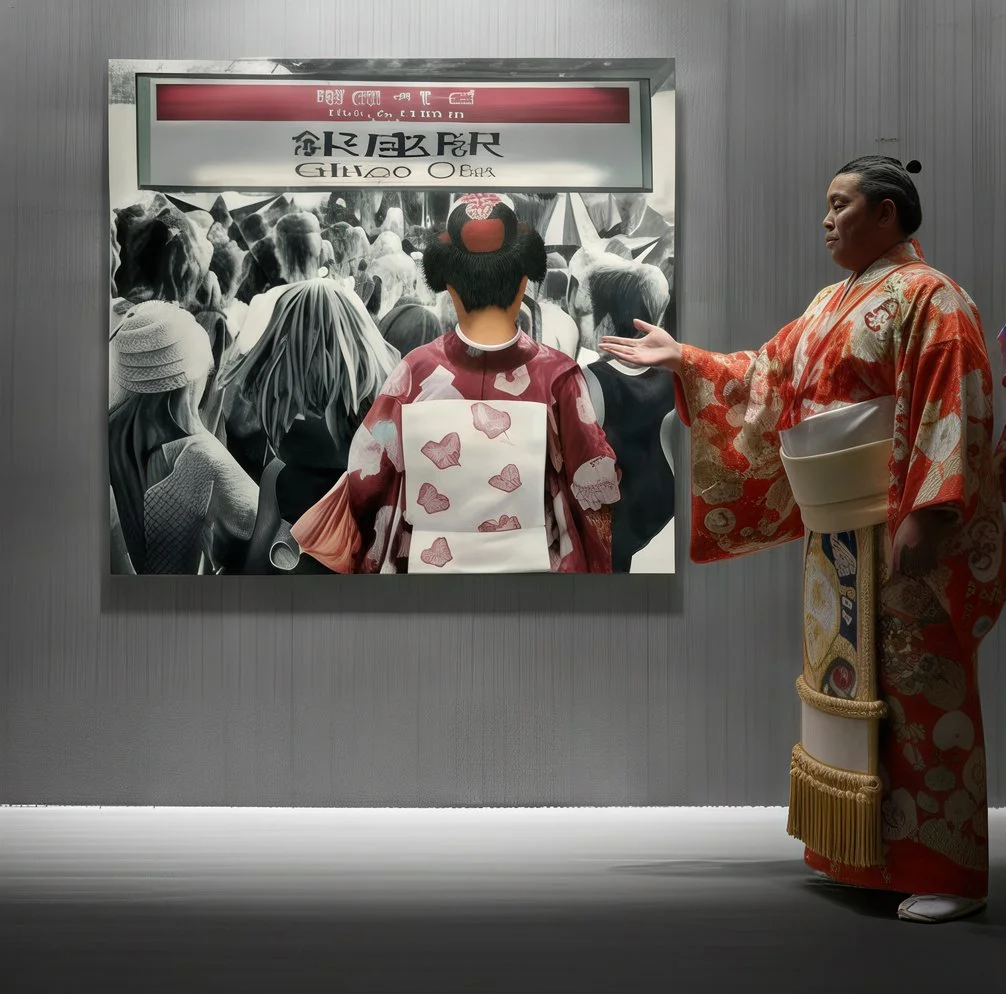
Butterfly2 : Metamorphosis of Grace
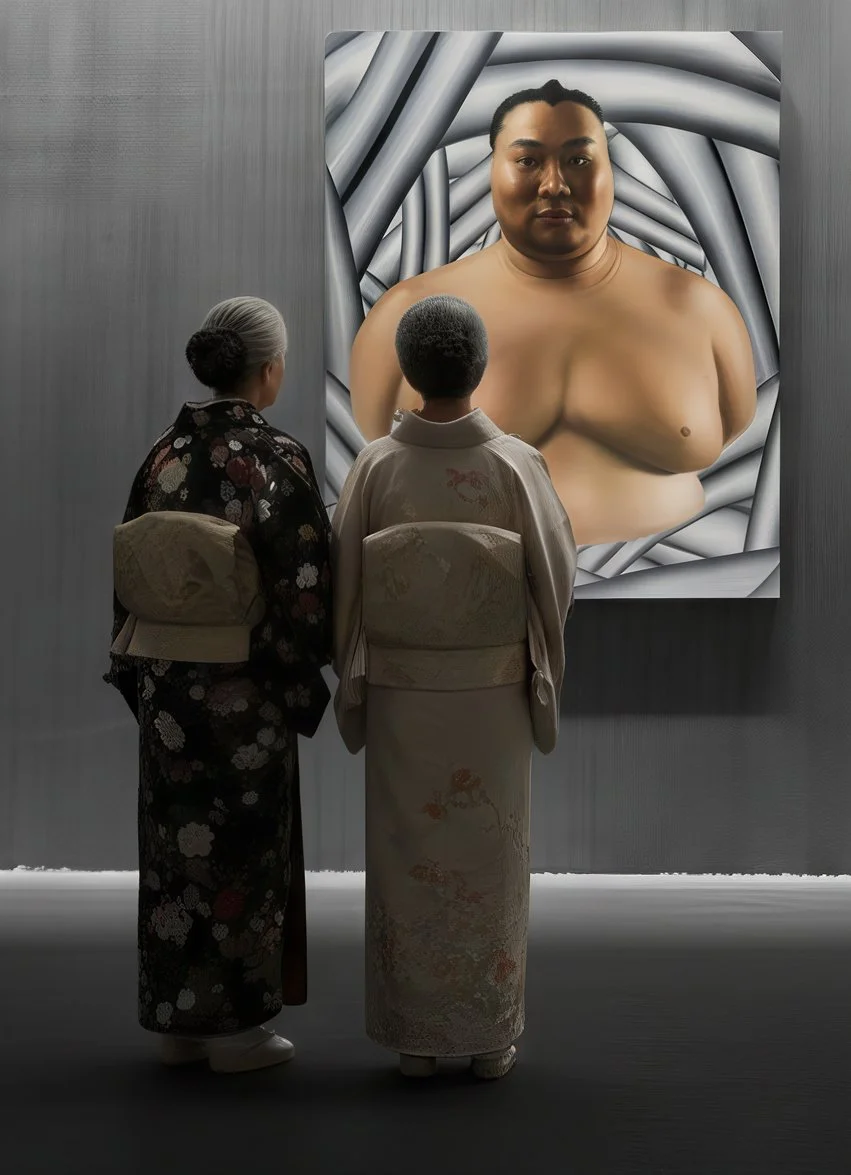
Glory : Spectacle of Victory
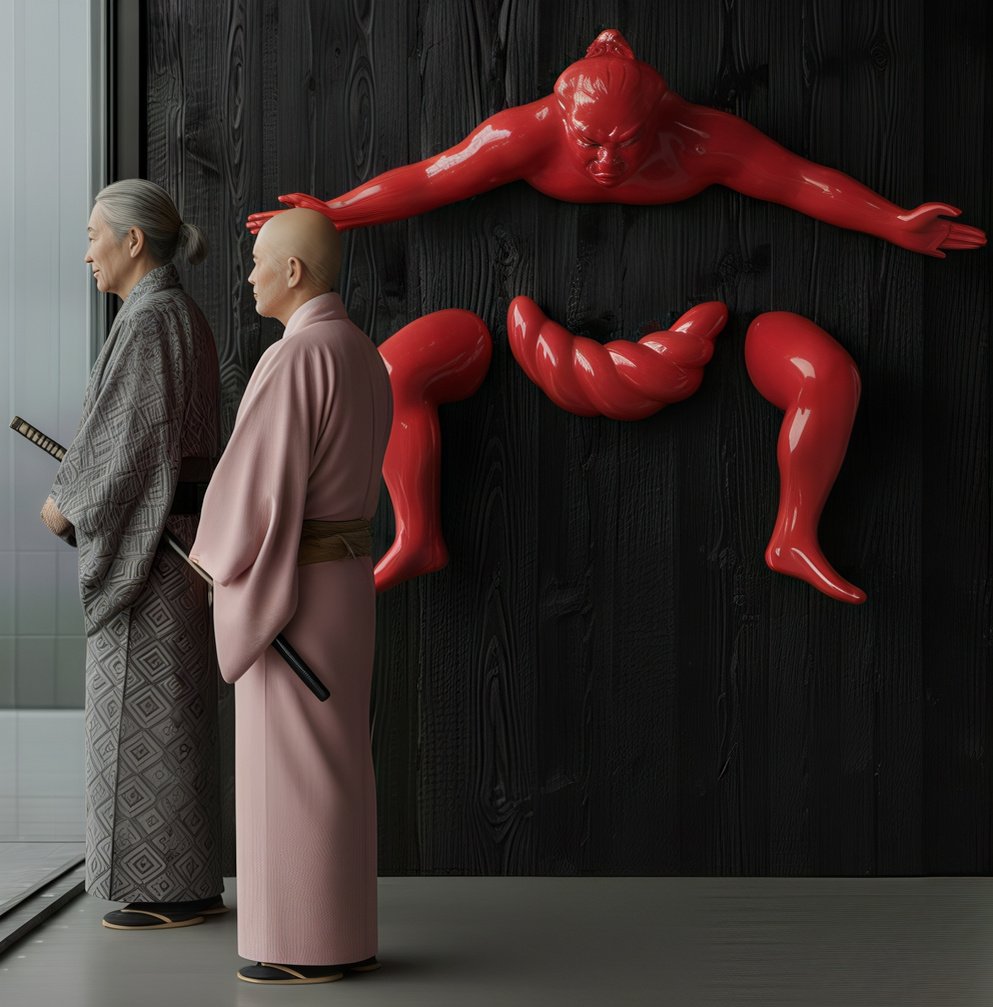
Sekitori : A Crimson Silent Strength
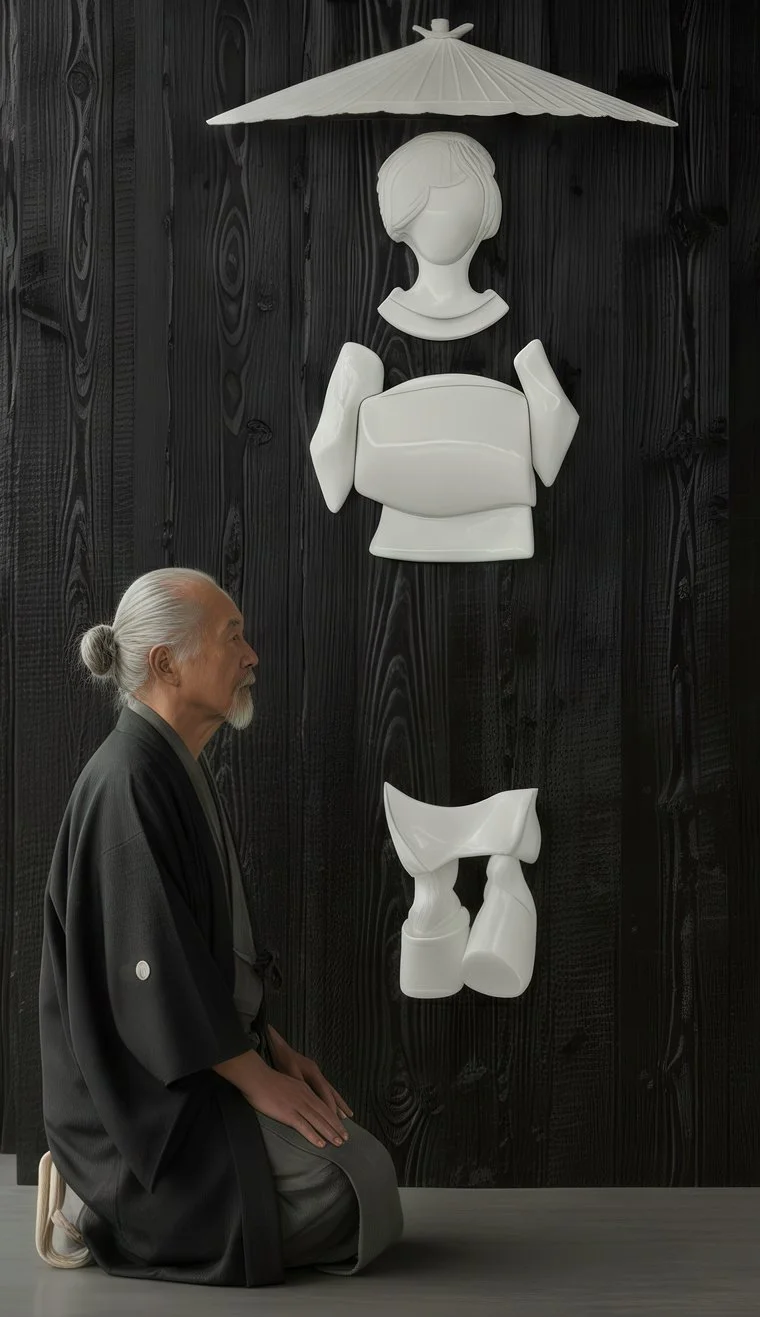
Back to Okiya : An Ivory Silent Ballet
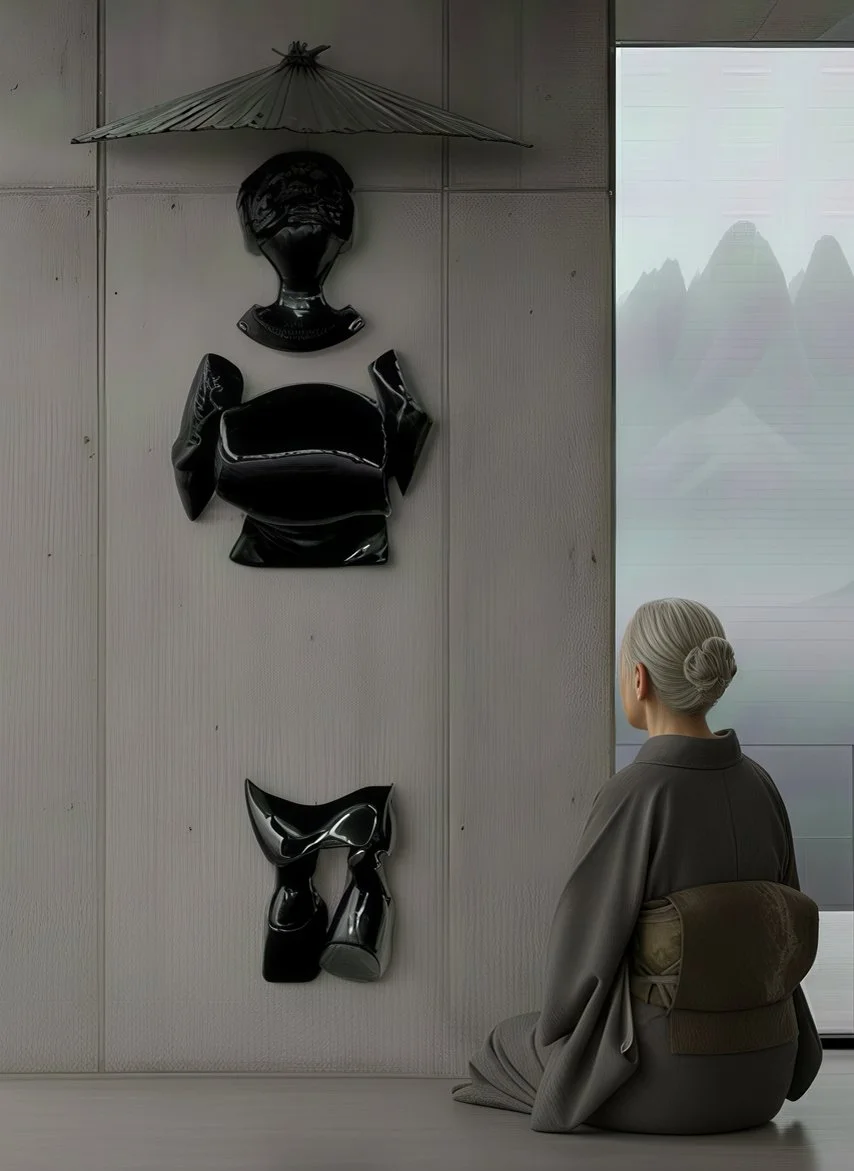
Back to Okiya : An Onyx Silent Ballet
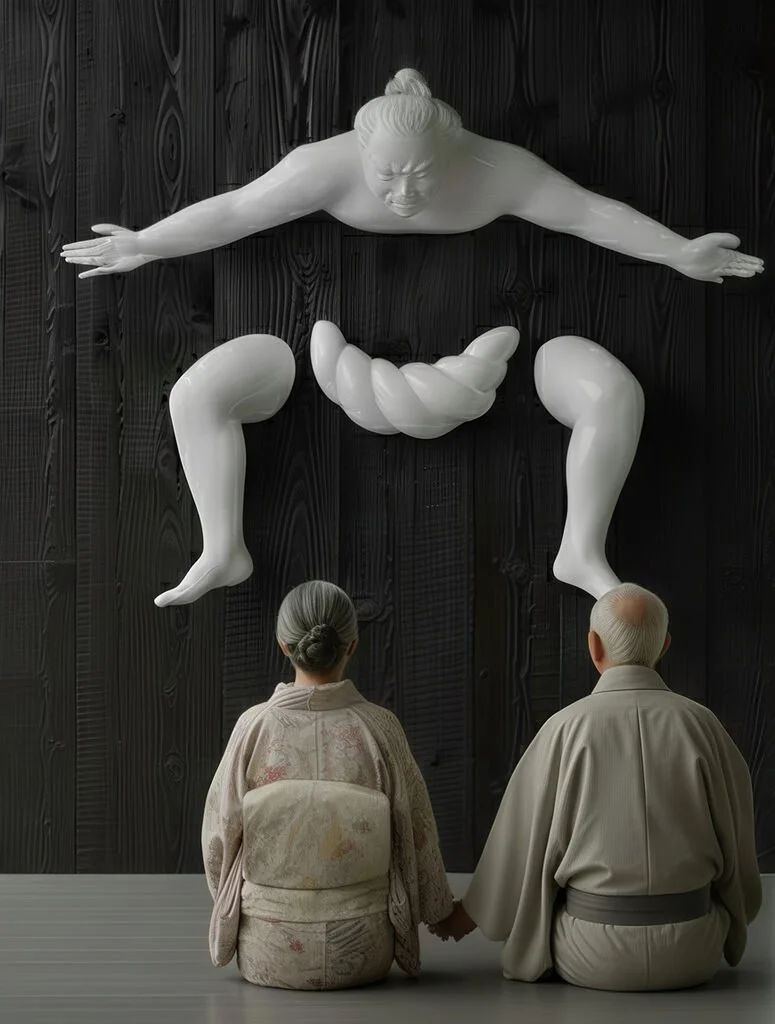
Sekitori : An Ivory Silent Strength