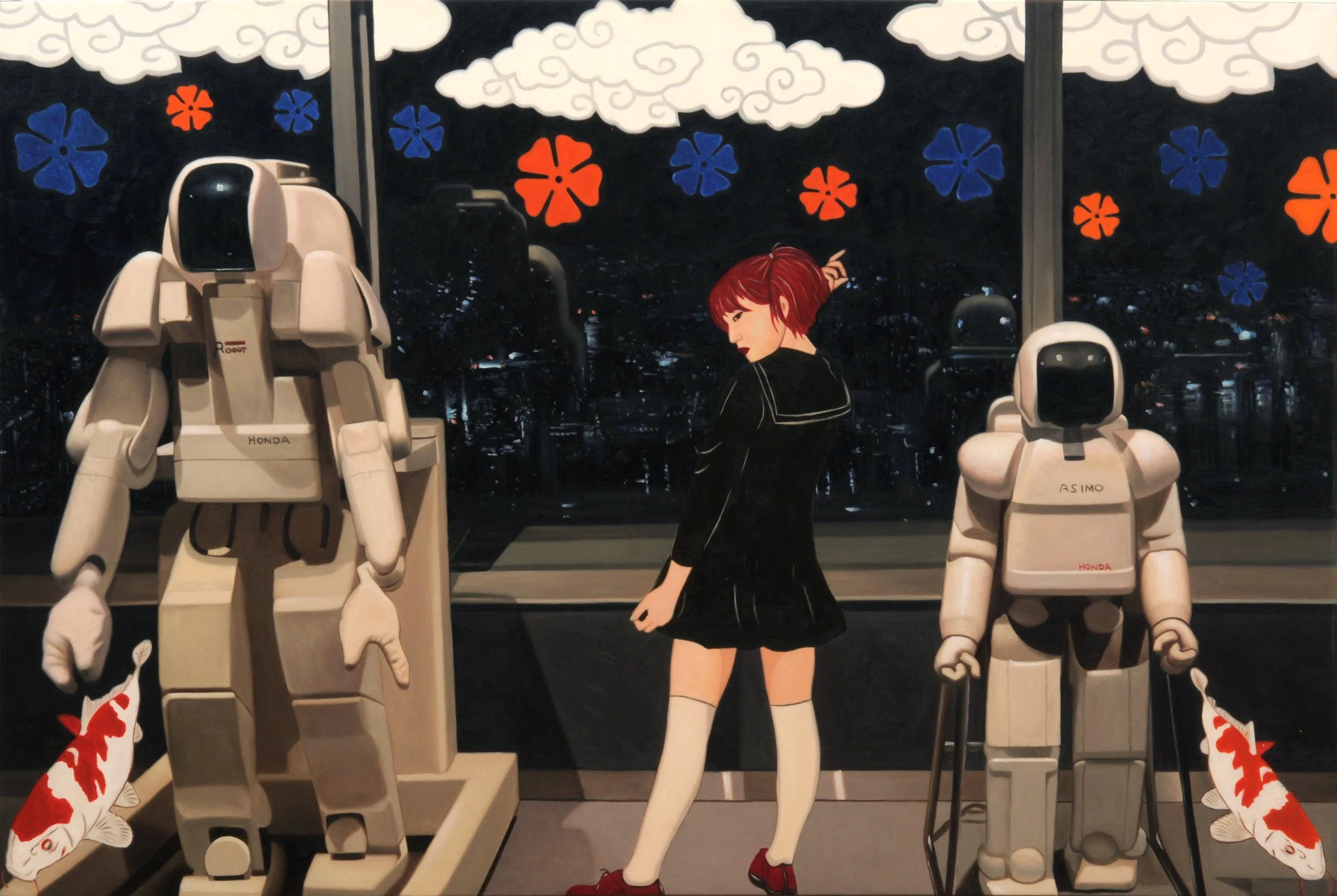


Asimo's Dance in the Nocturnal Symphony: Mechanical Ballet is a striking oil on canvas by Hiro Ando, founder of the Japanese studio Crazynoodles and one of the emblematic figures of the Nippon Neo-Pop movement. Part of the series Tokyo Nocturnes: Blossoms and Clouds in Battle Symphony, this work stages a powerful encounter between human fragility and technological ambition within the luminous architecture of Tokyo at night. At the center stands a schoolgirl—one of the four iconic figures previously conceived by Ando as polished metal sculptures in homage to Koushun Takami’s novel Battle Royale. Here, she appears suspended between adolescence and confrontation, her gesture poised as if conducting an invisible orchestra of steel and light. Flanking her are two ASIMO humanoid robots, developed by Honda Motor and inducted into the Robot Hall of Fame in Pittsburgh in 2000 as the first realistically walking humanoid robots. Their immaculate white bodies contrast with the softness of the painted clouds and blossoms that float above the nocturnal skyline. Ando constructs a visual dialogue between organic resilience and mechanical precision, between emotional memory and engineered progress. The koi fish at the lower edges introduce a further symbolic layer—longevity, perseverance, and transformation—anchoring the futuristic scene in Japanese cultural continuity. The city beyond the window becomes both witness and stage, reflecting the electric pulse of contemporary Tokyo. Technically, the composition reveals Ando’s mastery of balance: glossy surfaces, architectural depth, and pop-icon clarity converge in a theatrical yet meticulously structured arrangement. Within the broader narrative of the series, this canvas embodies the tension between dystopian narrative and poetic transcendence. The schoolgirl, derived from sculptural form, bridges Ando’s painted universe and his three-dimensional practice, reinforcing the coherence of his artistic language. This large-scale format intensifies the immersive effect, inviting the viewer into a mechanical ballet where innocence and innovation intertwine. For collectors, this work represents an exceptional opportunity to acquire a pivotal piece that synthesizes Ando’s literary references, sculptural lineage, and Neo-Pop urban mythology. It stands as a testament to the evolving dialogue between Japanese cultural memory and technological futurism that defines Hiro Ando’s singular position on the contemporary international art scene.
Asimo's Dance in the Nocturnal Symphony: Mechanical Ballet 2009
Materials Oil on stretched canvas
Size 42 1/2 × 63 4/5 × 1 1/5 in | 108 × 162 × 3 cm
Rarity Unique
Medium Painting
Condition Preserved in pristine StudioCrazynoodles condition
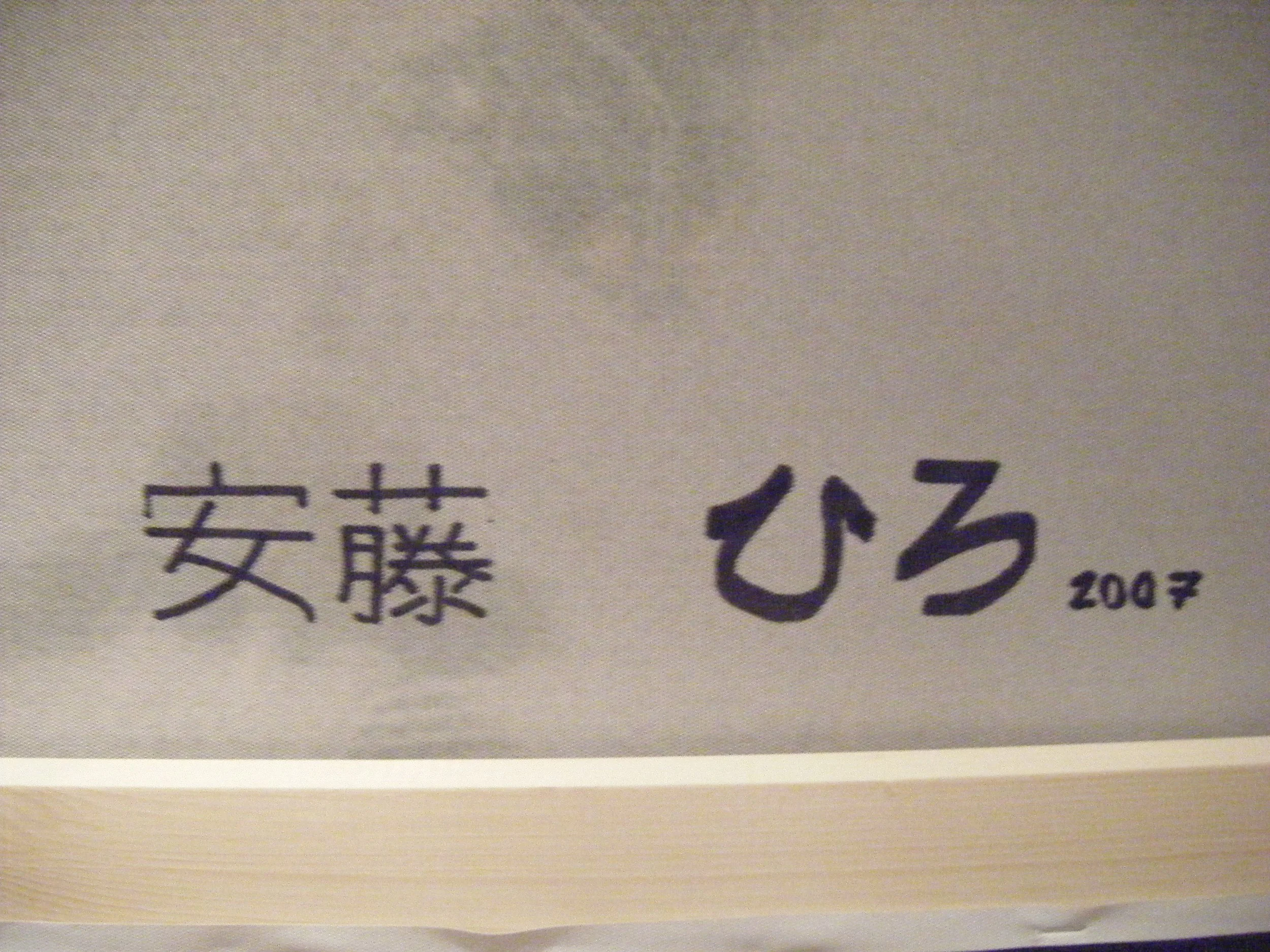
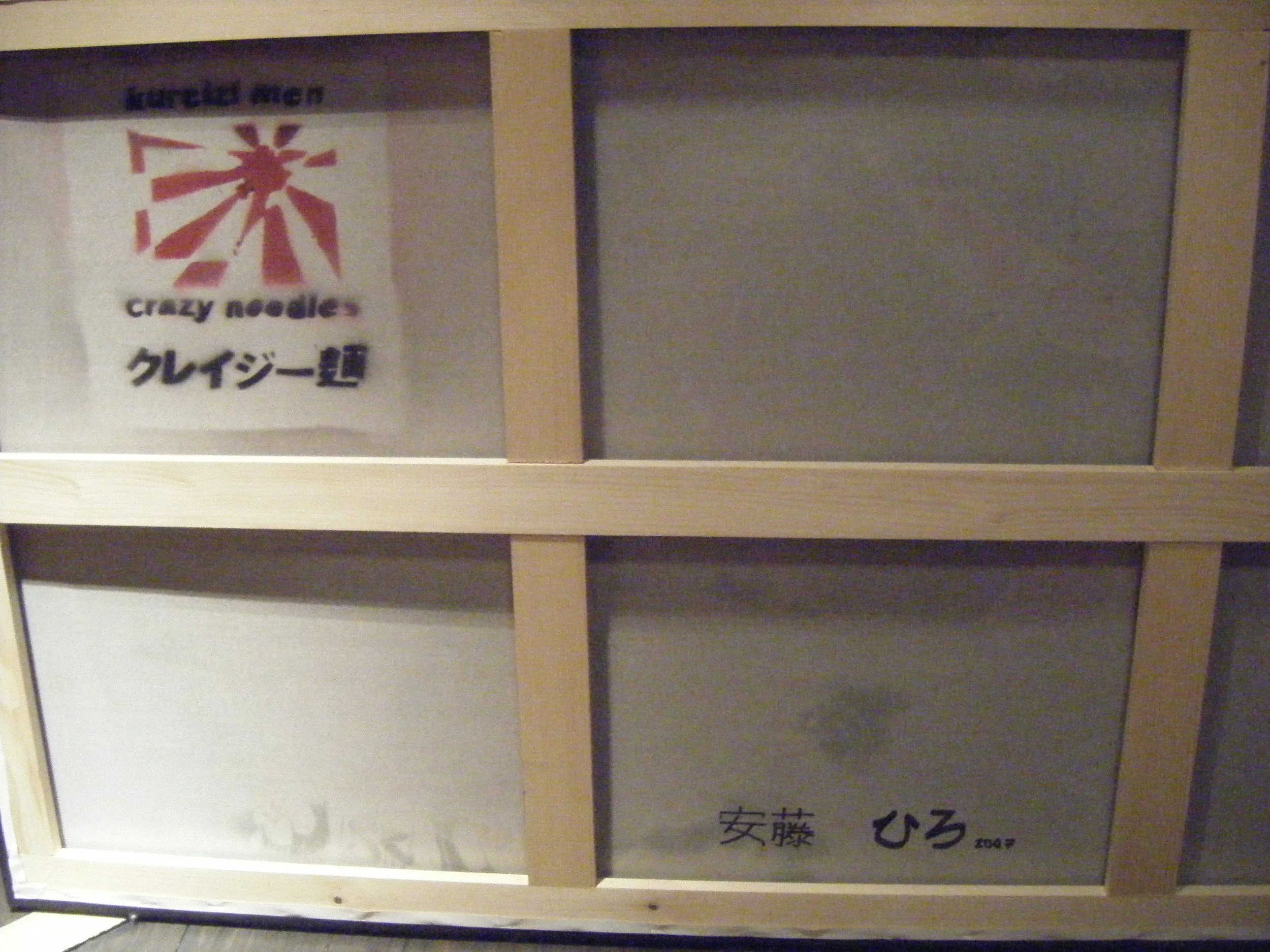
Signature Hand-signed by the artist - StudioCrazynoodles stencil emblem on the reverse - StudioCrazynoodles : Artistic label founded by Hiro Ando
Certificate of authenticity Included (issued by authorized authenticating body)
Frame Not included
Series Tokyo Nocturnes : Blossoms and Clouds in Battle Symphony
Image rights Visual rights managed by StudioCrazynoodles